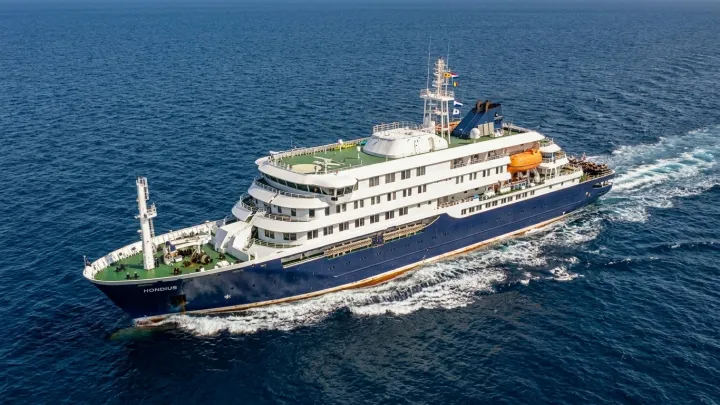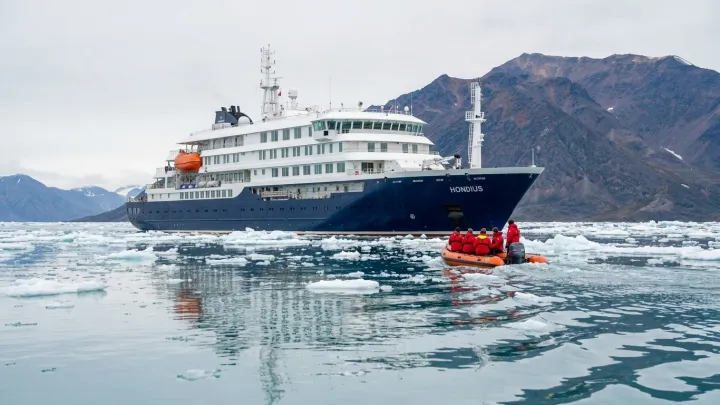

A cruise ship cabin, not a barn or grain shed, now sits at the center of a suspected hantavirus chain of infection. On the MV Hondius, multiple passengers fell ill despite limited direct contact with rodents, pushing investigators to consider what has long been treated as an outlier: human-to-human spread in a crowded, enclosed vessel.
This possibility unsettles because hantavirus epidemiology has leaned on a simple rule. Rodent feces, urine or saliva contaminate dust; inhaled particles reach the lower respiratory tract; viral replication in endothelial cells triggers hantavirus pulmonary syndrome. On land, that chain is usually broken with rodent control and environmental cleaning. At sea, however, shared air systems, tight corridors and overlapping cleaning routines may have functioned as an amplifier once a single infected person began shedding virus.
Skeptics argue that hidden rodent exposure still explains everything, yet the pattern of clustered onset in adjacent cabins suggests a different mechanism. Investigators are now combing ventilation layouts, PCR results and serologic profiles, looking for evidence of short-range aerosol or fomite transmission between people. For cruise operators already bruised by other respiratory scares, the idea that a classically rodent-borne pathogen can exploit human proximity on a ship is a quiet but potent warning.