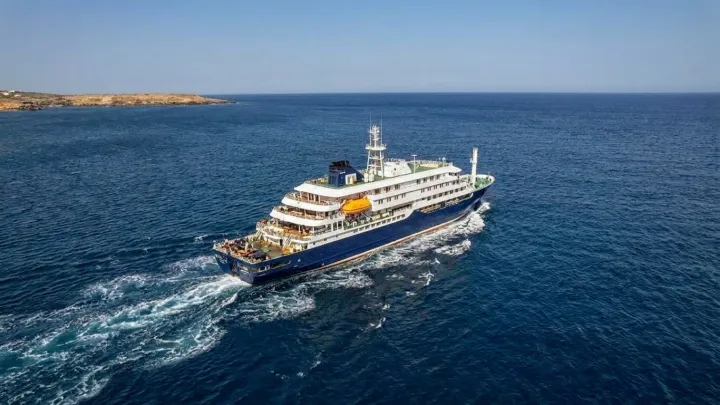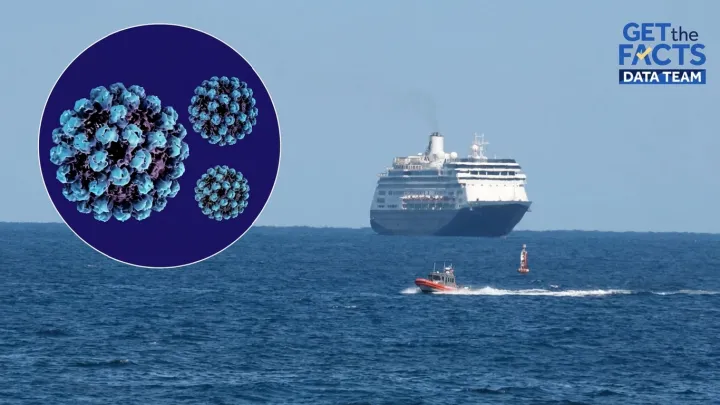
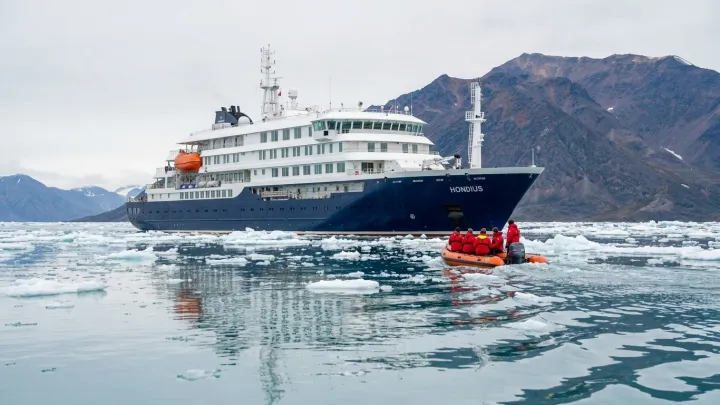
Luxury is a fragile illusion. On a recent voyage, a high‑end cruise ship became the focus of an urgent epidemiologic investigation after three passengers died with symptoms consistent with hantavirus pulmonary syndrome, an infection that can trigger acute respiratory failure within hours. Cabins were sealed, ventilation systems inspected, and medical teams rushed on board as authorities treated the vessel itself as a potential reservoir.
The unsettling truth is that this virus is not new; what is new is where it appears. Hantaviruses, typically carried by wild rodents and transmitted via aerosolized excreta, have long been associated with rural cabins, barns, and grain storage, not cocktail lounges and marble atriums. Yet the same pathophysiology applies at sea: inhaled viral particles invade endothelial cells, capillary permeability spikes, plasma leaks into the lungs, and patients can slide from mild malaise to cardiogenic shock with terrifying speed.
What turns a floating resort into a petri dish is not decadence but design. Closed air‑conditioned corridors, concealed service ducts, and food storage areas create sheltered niches where stowaway rodents can thrive, while passengers cycle through shared dining halls and theater seats that simplify contact tracing on paper but complicate it in practice. Climate‑driven shifts in rodent population dynamics and habitat push infected animals toward ports and provisioning hubs, blurring the old line between wilderness exposure and leisure travel. For cruise operators and health agencies, this cluster is less an anomaly than a warning shot about how tightly comfort, confinement and zoonotic risk are now bound together.