Fifty tons of hardware do not move by accident. Import logs from commercial freight databases show Valve receiving multiple batches of game consoles within a two day window, routed through standard electronics hubs and declared under harmonized system codes for video game machines.
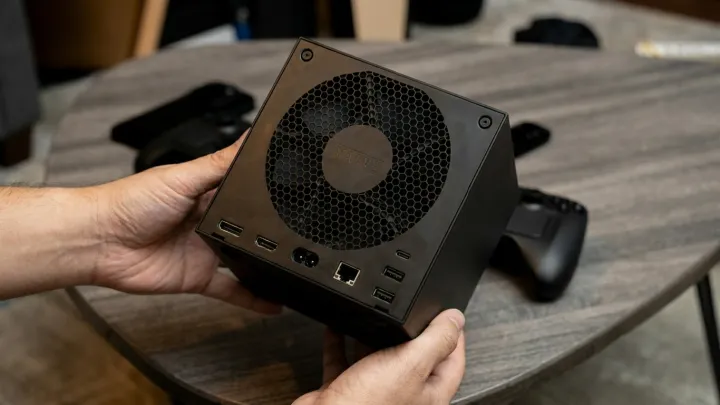
This scale looks intentional, not experimental. The recorded weight, spread across containerized pallets, implies several tens of thousands of handheld or set-top units, assuming mass comparable to existing Steam Deck configurations and typical packaging density for consumer electronics. Bills of lading list console-related product descriptions rather than generic components, suggesting finished or near-finished devices instead of loose parts, with freight forwarders that usually handle high-value, time-sensitive tech shipments.
The pattern hints at a ramp, not a one-off stunt. Concentrated arrivals within such a tight window point to a coordinated production and distribution cycle, aligning manufacturing lead times, assembly throughput, and downstream warehouse capacity. For a company that already runs a digital distribution platform, scaling physical inventory at this volume signals a deeper bet on first-party hardware, whether that means a refreshed Steam Deck, a regional rollout, or a broader push into the console channel.