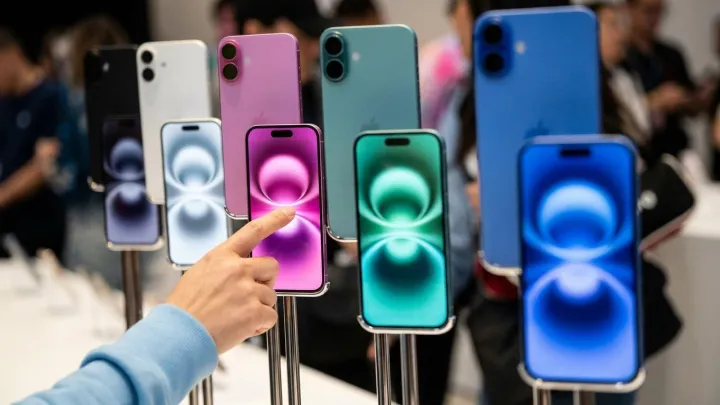
The new Pixel 10 system build shuts a door many users assumed would stay open. With this rollout, the series now refuses any attempt to install earlier Android firmware once the update is applied.
This shift looks technical, yet it redraws the unwritten deal between enthusiasts and Google, because anti-rollback protection is no longer just theory in documentation but active policy in the consumer boot chain. The update increments rollback indexes stored in secure hardware, so the bootloader will reject any system image, factory image, or OTA package signed with a lower rollback counter, even if the image is official and properly verified by Android Verified Boot.
For users who once treated Pixel devices as safe testbeds, the move narrows that sandbox sharply. Custom ROM fans can still unlock the bootloader, but the hardware-backed rollback index and associated fuse logic prevent flashing older stock builds to escape bugs, performance regressions, or controversial feature changes, a constraint that also affects enterprise fleets depending on predictable downgrade paths for troubleshooting.
Security engineers would argue the change simply aligns Pixel firmware with long-standing anti-rollback guidance in the Android security model, aimed at blocking attackers from forcing a vulnerable image through fastboot or recovery. Owners now face a clearer tradeoff: accept improved protection against downgrade exploits at the cost of flexibility, or stay off the update and live with known vulnerabilities.