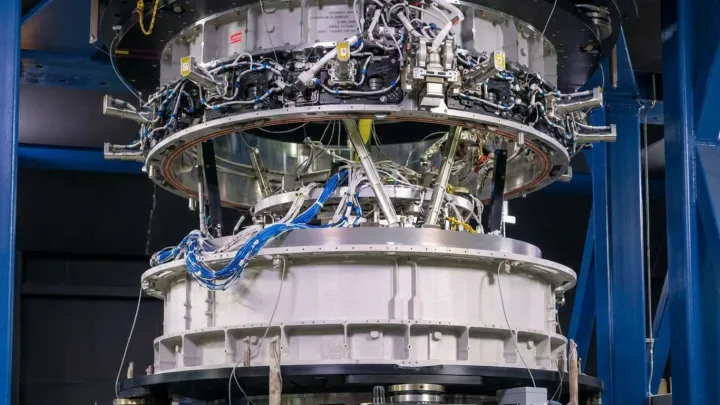
Delay has become the quiet architect of Artemis III. The mission is now officially pushed to a later launch window, a shift NASA links to mission complexity and safety requirements for the first crewed return to the lunar surface in decades.
What looks like slippage from the outside is, inside the program, a forced synchronization of hardware and human-rating standards. NASA must field a certified Orion capsule, a Space Launch System stack, and a lunar surface architecture that includes life-support systems meeting strict redundancy and fault-tolerance criteria, while also integrating new spacesuits and surface operations protocols.
The sharper twist is that the private sector sounds more bullish than the agency setting the rules. SpaceX tells NASA its Starship-derived Human Landing System will be ready to support Artemis III in the same late window, even as it works through orbital refueling, cryogenic propellant transfer, and reentry reliability. Blue Origin, under a separate contract for another lunar lander, signals a similar readiness horizon, promising performance that must satisfy NASA’s human-rating standards and rigorous systems engineering reviews.
Lurking beneath the schedule shuffle is a philosophical split over how fast to push crewed deep-space hardware. NASA’s caution, rooted in risk matrices and flight-test cadence, now shares the calendar with companies built on rapid iteration and aggressive timelines, and between those clocks the new lunar era will either tighten or fray.