Rising mpox counts are again testing California’s public health defenses. Case reports have ticked upward across several counties, a pattern officials say echoes the early stages of the last outbreak and exposes how quickly community immunity can thin when vaccination stalls.
State health leaders argue the warning is clear even without dramatic numbers. The California Department of Public Health says it is closely monitoring mpox activity, expanding genomic surveillance to track viral clades and pushing local clinics to review infection control protocols, including isolation procedures and personal protective equipment standards for frontline staff.
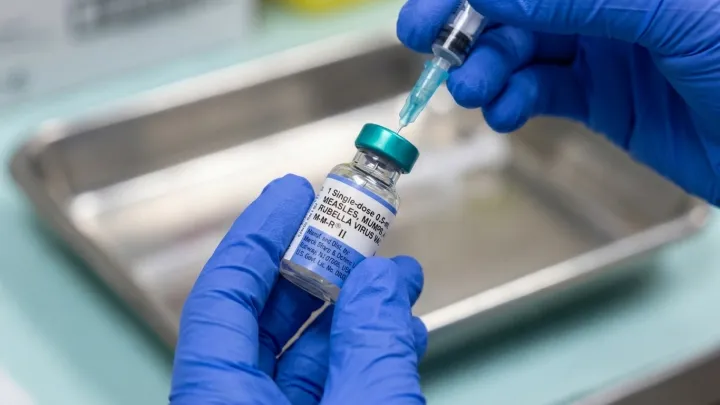
Doctors now insist the medical playbook is known yet still underused. Two-dose vaccination with the JYNNEOS vaccine, post-exposure prophylaxis for close contacts, and rapid polymerase chain reaction testing remain the core tools, but coverage gaps persist among men who have sex with men, people experiencing homelessness, and uninsured residents who struggle to access sexual health services.
Community advocates warn the real risk lies in fatigue, not virology. They point to shrinking outreach budgets, inconsistent messaging on skin lesions and mucosal symptoms, and lingering stigma that keeps symptomatic people away from clinics until transmission chains are already established.