Nearly one thousand infections ended the argument. South Carolina’s measles outbreak is now officially over, yet the path there exposed how thin the state’s immunity really was, with early vaccine uptake lagging even as cases climbed across multiple communities.
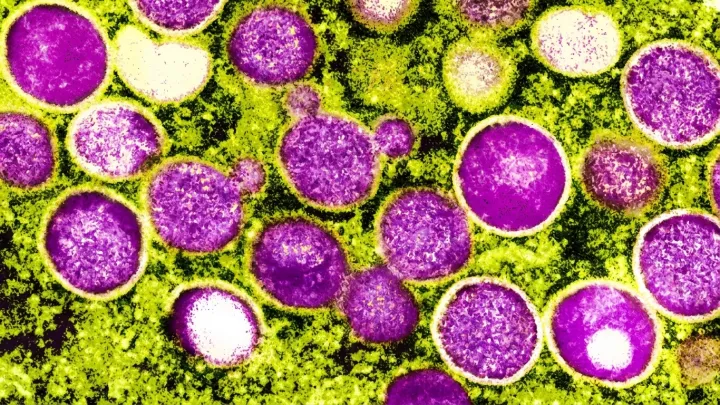
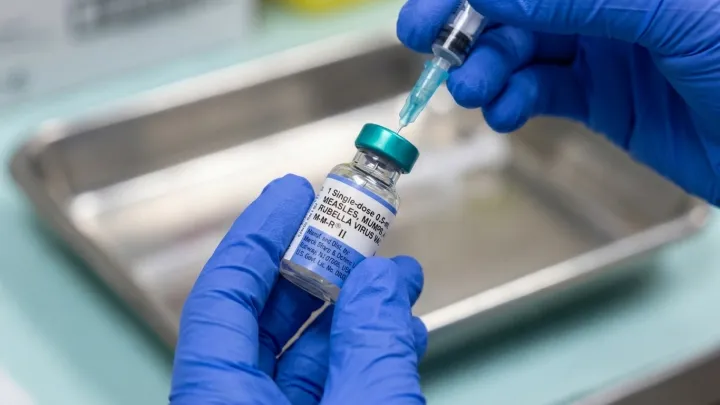
Public health officials insist this was not a mystery virus but a failure of herd immunity, the epidemiological concept that relies on high coverage of the measles, mumps and rubella vaccine to block chains of transmission. At first, clinics reported slow turnout, even as contact tracing and serologic testing confirmed spread in households, schools and churches. Then the response scaled up. From one vaccination site at a county fairground to extended hours at pediatric practices and chain pharmacies, providers administered about eighty two thousand doses over several months.
The campaign’s late surge shows that access was never the only barrier; risk perception was. Only after hospitalization numbers rose and isolation orders disrupted work and school did demand spike for the two dose regimen that confers long term immunity by stimulating virus specific IgG antibodies. Health departments now warn that the end of this outbreak does not guarantee safety, because measles remains endemic in other regions and relies on every immunity gap it finds.