Endless loops of flexing videos and transformation clips now frame a new frontier of pressure on teenagers. On major platforms, recommendation engines quickly learn that a user pauses on gym content, then stack the feed with bigger muscles, leaner waists and time-lapse body changes that look almost like fast-forwarded biology.
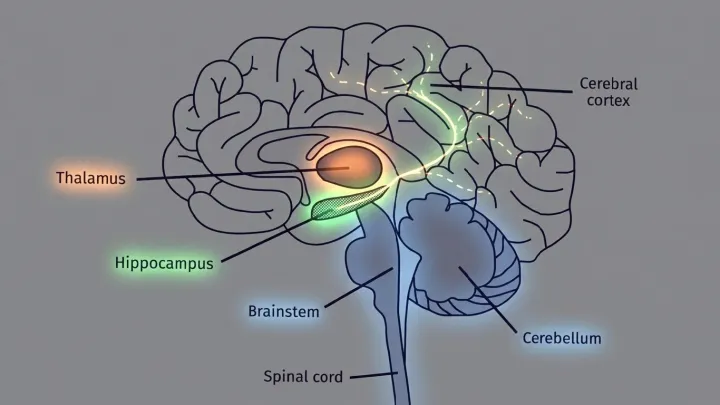
Doctors and sports medicine specialists say this visual escalation is colliding with adolescent neurodevelopment and fragile self-esteem. As teens compare their own bodies to creators who hint at “secret stacks,” many move from protein shakes to anabolic steroids, human growth hormone and research chemicals. Terms like testosterone replacement therapy, body dysmorphic disorder and hypothalamic-pituitary axis disruption are surfacing in pediatric clinics as young users chase unrealistic physiques.
Health agencies warn that liver toxicity, cardiomyopathy and endocrine disruption are not distant risks but near-term consequences, including fertility problems and severe mood swings. Yet the content economy rewards extreme before-and-after images, turning each altered torso into proof of concept that keeps viewers scrolling. For a generation raised on algorithmic curation, the line between fitness aspiration and pharmacological experiment is becoming dangerously thin.