
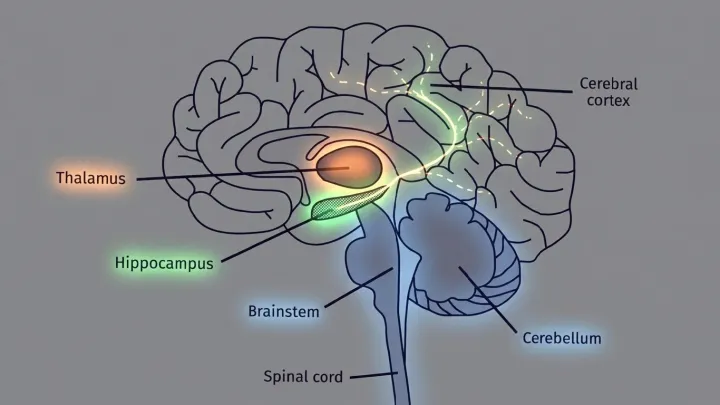
A single protein now sits at the center of a growing effort to explain why aging brains lose their edge. A new study reports that this molecule accelerates cognitive decline and that eliminating it can restore key functions in experimental models.
The work focuses on a protein whose excess disrupts synaptic plasticity, the process that allows neuronal circuits to strengthen or weaken with experience. In animal models of brain aging, high levels of the protein were linked to impaired long‑term potentiation, a textbook mechanism underlying learning and memory. When researchers blocked or removed the protein, electrophysiology recordings showed recovery of synaptic transmission, and maze‑based tests suggested improved memory performance.
The implicated protein appears to act upstream of neuroinflammation and oxidative stress, two hallmarks of neurodegeneration that raise the system’s overall entropy. By dialing down this single node, the study suggests it may be possible to reset multiple pathological pathways at once. Drug developers are already exploring whether antibodies or small‑molecule inhibitors could target the protein safely in humans, turning a mechanistic insight into a therapeutic strategy.