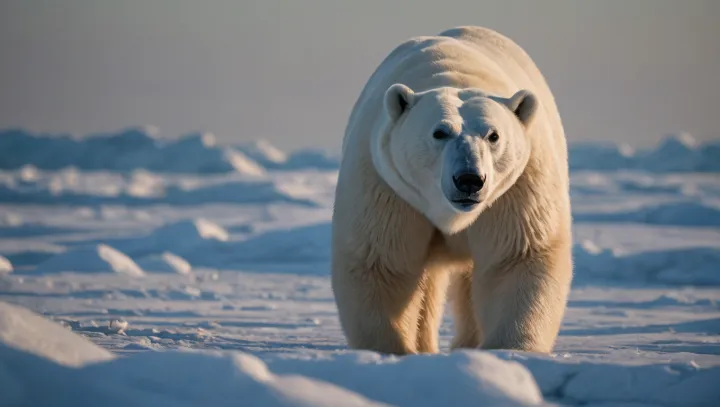
Residents of the Arctic Circle regions, such as Norilsk, Russia, are seeing an unprecedented number of polar bears, a species typically elusive to humans. This increased visibility is a stark reminder of the changing climate and the shrinking habitat of these magnificent mammals.
Scientists are warning local populations to avoid close contact with polar bears, despite their seemingly peaceful demeanor. As bear sightings become more frequent, experts are concerned about the potential risks to both humans and bears. The public is being educated about safety measures like maintaining a safe distance and securing food sources to avoid attracting hungry bears.
Local wildlife organizations are working on strategies to protect both the community and the polar bear population. These plans include creating barriers between human settlements and known bear habitats, as well as using non-lethal deterrence to guide bears away from populated areas.
Researchers are also urging international collaboration to address the broader issue of climate change, which is driving polar bears closer to human-inhabited areas as they search for food. Advocacy groups are pushing for stronger policies to protect the bears' natural habitat and reduce the impact of global warming.
Residents have been captivated by the rare opportunity to observe these powerful predators up close. Still, with great admiration comes great responsibility to respect and preserve the species. The community seeks to coexist with the polar bears, ensuring the safety of all.