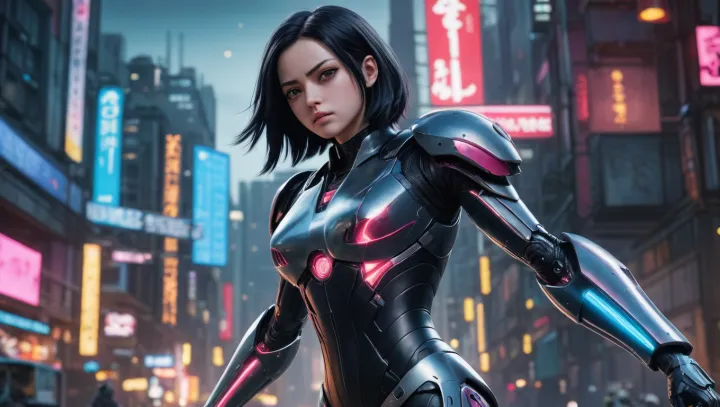
In a realm where fantasy and technology coalesce, 'Alita: Battle Angel,' the sci-fi film based on the original Japanese manga 'Gunnm,' has left a significant footprint in the world of animation and cinema. Not only did the film bridge the gap between Two Dimensions and Three Dimensions, it also ingratiated itself with a global audience, showcasing the dynamism and narrative depth that animated inspirations can bring to the big screen.
The titular character, Alita, a cybernetic heroine known for her strength and combat capabilities, has rapidly become a symbol of empowerment and resilience in popular culture. Her impact extends beyond the screen; she has influenced not just fans of the cyberpunk genre, but also creators and enthusiasts within the broader animation and film industries.
Underpinning the film's success is its unique visual style, a blend of photorealistic CGI and traditional anime elements, which has launched discussions about the future of filmmaking techniques. This hybrid style has paved the way for a greater acceptance and appreciation of anime-influenced narratives in Western cinema.
To celebrate the lingering influence of 'Alita: Battle Angel,' a special screening event is being organized in Los Angeles, coupled with a panel featuring renowned animators and filmmakers. This gathering aims to shed light on the cross-cultural development of animation and science fiction cinema, while also unpacking the cultural significance of two-dimensional animated works in today's digital age.
As we look forward to the event, it is clear that Alita's journey from the pages of manga to the silver screen is more than just another adaptation—it is a testament to the universal appeal and transformative power of animated storytelling. Alita may have been built in the dystopian future, but her legacy is shaping our present.