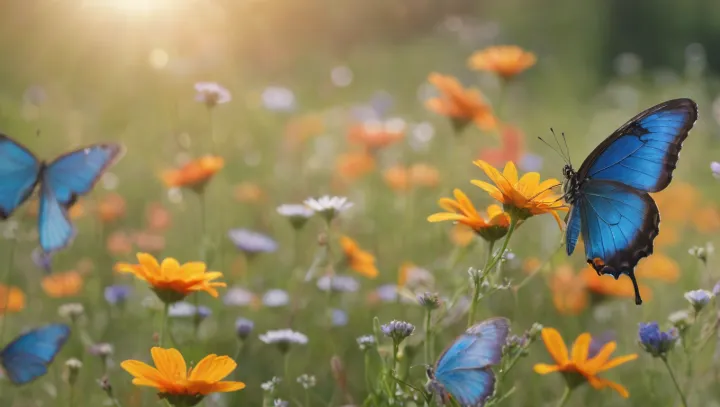
In the world of nature's delicate dancers, the adult lycaenid butterflies emerge as emblems of fleeting beauty. With their vibrant hues and graceful flight, they capture the hearts of all who observe them. However, these insects lead remarkably ephemeral lives, with adults living only between four to five days after breaking through their chrysalises.
This natural phenomenon presents an incredible display of urgency and beauty, as these creatures engage in all life processes within this limited timespan. This includes the essential acts of mating and laying eggs, ensuring the continuation of their species. The Lycaenidae family, to which these butterflies belong, is a vast assemblage of approximately 5,000 species, and is highly diverse in habitats ranging from forested areas to local gardens.
Recently in Central Park, New York, a particularly noticeable increase in the population of these butterflies has prompted both local and visiting nature enthusiasts to gather with their cameras and binoculars. The park's flowering plants have set the stage for an enthralling spectacle, drawing attention to the urgency with which these butterflies live and love.
Conservationists underscore the importance of such sightings and the broader implications they have for ecological awareness and biodiversity. Short-lived insects, like the lycaenid butterflies, are critical pollinators and serve as vital components in their ecosystems. Their brief existence underscores the necessity for conservation efforts to protect these creatures and their habitats.
Scientists continue to study these butterflies, eager to understand the genetic and environmental factors that dictate their short adult lives. Research into the lycaenid butterflies also aids in shedding light on the complex life cycles of insects and the impact of environmental changes on their survival.
As spring unfolds, these delicate lycaenid butterflies remind us of life's transience and the extraordinary beauty that can exist within it. In their brief time, they offer a vivid reminder to appreciate the fleeting moments of wonder that nature provides. For those fortunate enough to witness their dance, it's a timely memento to embrace life's ephemeral joys.