
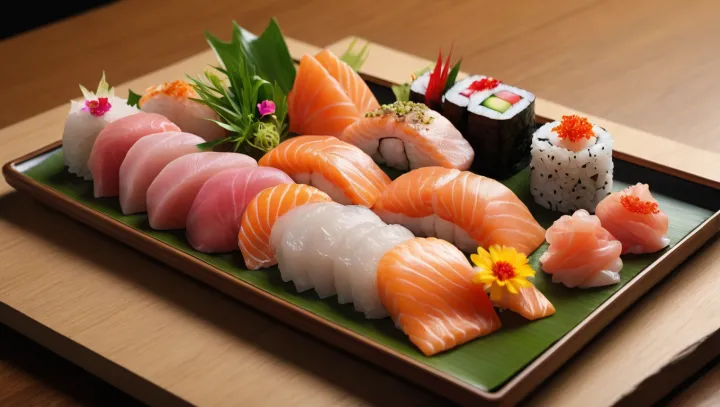
While both sashimi and sushi are staples of Japanese cuisine, aficionados often ponder why the former tends to be pricier than the latter. Recently, Japanese culinary experts in Tokyo have shared insights that may clarify this longstanding question. The price differentiation between these two delicacies boils down to factors such as ingredient quality, preparation intricacy, and culinary skills required.
Sushi consists of vinegared rice accompanied by varying ingredients like fish, vegetables, and sometimes tropical fruits. Sashimi, in contrast, is purely about experiencing the essence of freshly sliced, raw seafood without the rice. The focus on the fish's quality is paramount, meaning that only top-grade seafood makes the cut for sashimi, which contributes to its higher cost.
The preparation of sashimi is an art form that demands precision. Chefs must be adept at identifying the freshest fish and skilled in the techniques of slicing it to enhance its flavor and texture. The meticulous process of preparing sashimi requires not only years of training but also a deep appreciation and understanding of the ingredient's nature. These requirements add a premium to the sashimi dining experience.
Additionally, the type of fish used in sashimi often belongs to premium species such as tuna, especially bluefin, which is highly sought after for its rich taste. The market price for such high-quality fish is inherently steep, adding to the cost of the final dish served to patrons. Furthermore, many sushi establishments locally source ingredients to ensure freshness, which, while sustainable, can also impact the price point.
On the consumer side, there is a growing trend of gourmets who are willing to pay more for the subtle nuances and high-grade ingredients found in sashimi. This preference has been noted particularly among young professionals in urban areas who view dining out as a culinary adventure rather than just a meal. Their demand for high-quality sashimi has created a market where price mirrors the quality expected by discerning diners.
In summary, while sushi remains a popular choice, sashimi garners attention and commands a higher price due to its premium ingredients, intricate preparation, and the expertise required to serve it at its best. For those who relish in Japanese cuisine, understanding these factors enhances the appreciation of the craft behind each plate of sashimi.