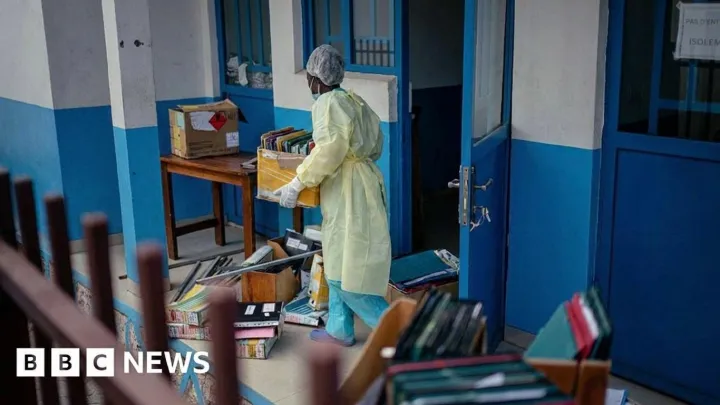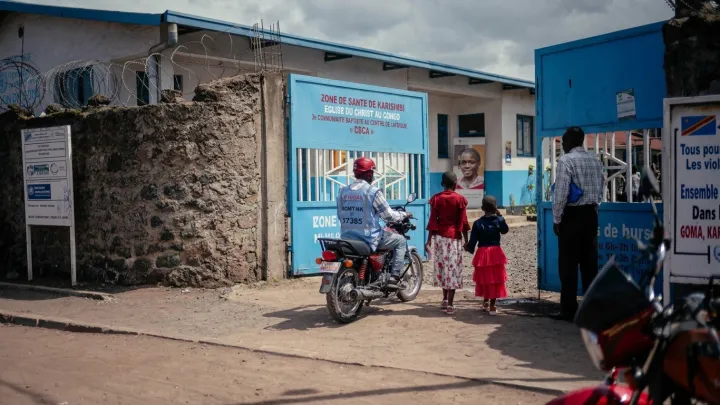
An unexpected diagnosis now exposes the thin margin that separates frontline care from personal risk. An American doctor working with an international aid organization in Congo has tested positive for Ebola, according to the Centers for Disease Control and Prevention and the group. The physician was involved in clinical work in an area with confirmed transmission and is now in isolation under specialized medical supervision at a secure facility.
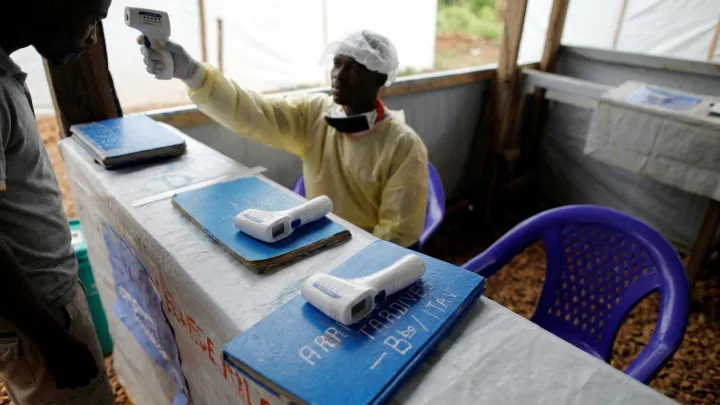
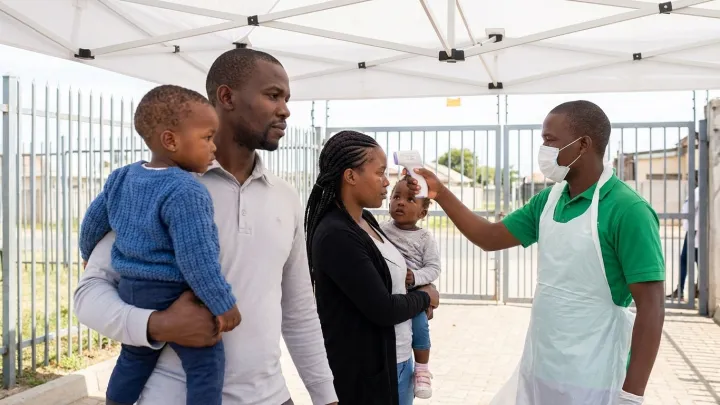
The real story here is not a single infection but the stress test it applies to outbreak control systems. Health officials say the case was detected through routine active monitoring, including daily symptom checks and rapid antigen testing, followed by confirmatory reverse transcription polymerase chain reaction, or RT-PCR, to identify Ebola virus RNA. That sequence, while standard on paper, depends in practice on disciplined surveillance and immediate reporting across borders and agencies.
The harsh lesson is that protocols only matter when they reach every bedside. The CDC is working with Congolese health authorities and the aid group to conduct contact tracing, risk stratification, and targeted quarantine for anyone with close exposure to the doctor, while infection prevention and control measures such as proper donning and doffing of personal protective equipment are being reaudited in the field. For a virus with high case fatality and no margin for error, one breached gown or one missed fever can still redraw the map of concern.