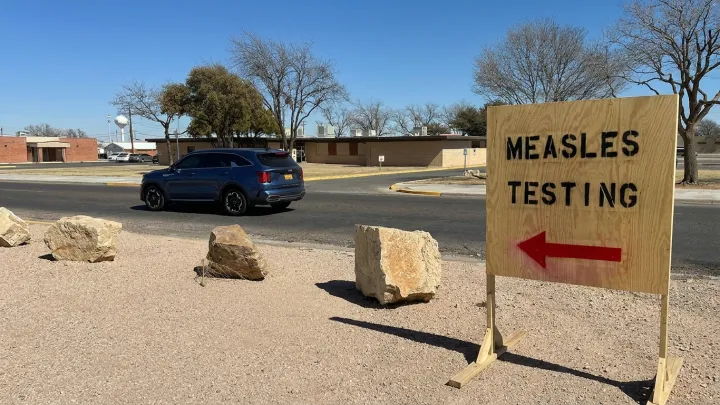
More unsettling than the case count is the sense of no endpoint. A year after measles first resurfaced in Utah, state data now tally more than 680 infections, a figure that keeps inching upward even as health alerts, school notices, and emergency orders pile up.
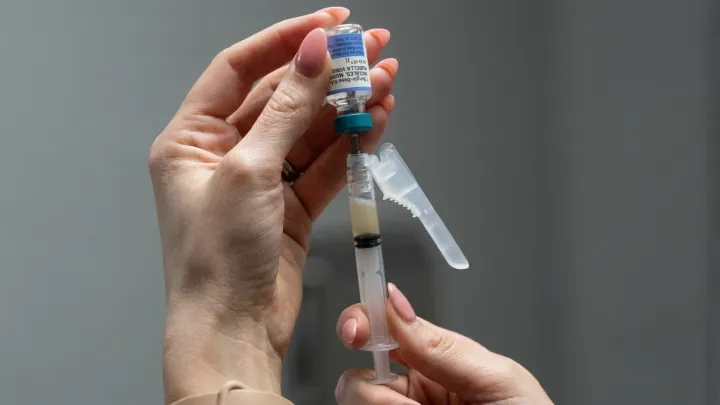
What this really exposes is a structural weakness, not a one‑off scare. Measles, with its high basic reproduction number and airborne transmission, exploits every pocket of low immunity; Utah’s uneven measles, mumps and rubella coverage, clustered exemptions, and delayed childhood schedules have given the virus repeated footholds in households, classrooms, and religious gatherings that were assumed safe.
The more stubborn problem is trust, not virology. Epidemiologists can model herd immunity thresholds and deploy ring vaccination, yet local health departments report resistance to contact tracing, pushback against exclusion rules, and misinformation that recycles faster than official guidance, leaving clinicians juggling isolation protocols, scarce negative‑pressure rooms, and rising anxiety among families with infants and immunocompromised relatives.
What lingers now is a quiet question inside Utah’s clinics and school offices alike: whether this outbreak ends with a decisive rise in immunization, or simply becomes the new background risk of daily life.