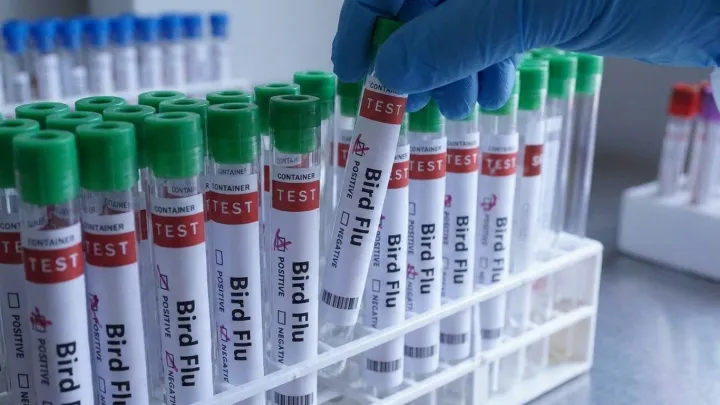
Every continent now carries the same viral signature, and that simple fact raises the stakes for everyone tracking H5N1. Australia has confirmed its first detection of the highly pathogenic H5N1 avian influenza strain in a wild seabird found near Esperance in Western Australia, extending the virus’s documented reach to the last major landmass on the global map.
The unsettling part is not the single carcass but the biology it hints at, because H5N1’s capacity for reassortment and its affinity for epithelial cells in birds have repeatedly turned isolated finds into wider epizootics. Laboratory testing by national veterinary authorities identified the H5 and N1 surface proteins, classifying the virus as a highly pathogenic avian influenza under standard hemagglutinin and neuraminidase subtyping, and triggered heightened surveillance of coastal bird populations and commercial flocks.
What matters now is how far this virus has already moved before being seen, since migratory flyways and dense breeding colonies can amplify transmission long before routine sampling catches up. Public health officials stress that the current case is confined to wildlife, that no human infections are linked to this detection, and that existing biosecurity protocols for poultry farms and egg producers remain the primary barrier between a wildlife event and an economic crisis.