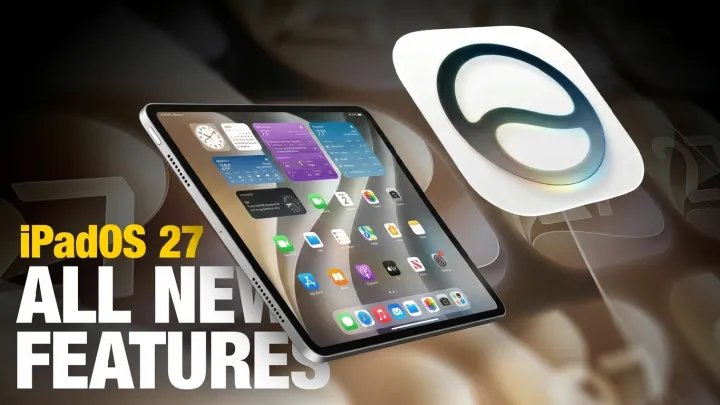
iPadOS 27 does not just shadow the phone; it tries to outgrow it. On install, the change hits immediately as Siri AI steps forward from the corner, no longer a polite overlay but a system presence wired into apps, files, and on‑screen content.
The most striking shift is that Siri AI on iPad now mirrors the phone feature set, yet plays on a wider canvas. It can pull from personal data like messages and notes, cross‑reference that with web search, and then act directly in apps, chaining intents across Mail, Calendar, and third‑party tools. Ask about what is on the display, and the assistant reads interface elements, surfaces context, and offers actions, effectively turning accessibility frameworks and on‑device indexing into a command layer for power users.
Apple Intelligence then pushes the tablet into more serious territory. Text tools embedded in system sheets can rewrite, summarize, or adjust tone inside documents without leaving the current app, while generative image features hook into the Photos and Notes pipelines rather than sitting in a separate gimmick app. On iPad, multitasking views and larger screen real estate make these capabilities feel less like a trick and more like a quiet bid to reposition the device as a primary machine for planning, research, and creative drafting.