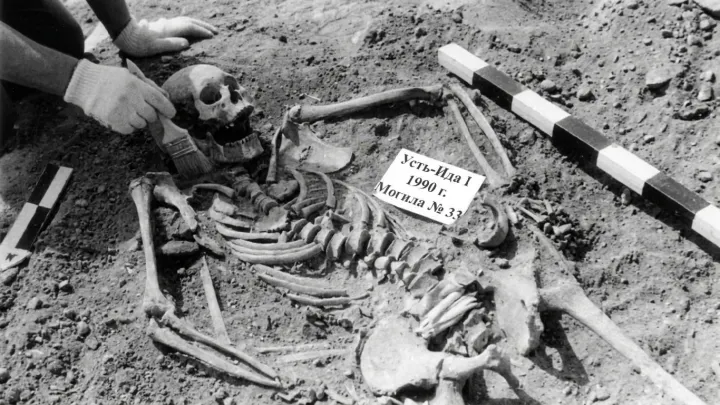
Prehistory was not medically quiet; it was already under microbial assault. New genetic work on ancient skeletons identifies an early strain of Yersinia pestis circulating among foraging groups long before recorded pandemics. Pathogen DNA isolated from teeth shows systemic infection, not a mild encounter, and ties scattered burials into a single epidemiological story.
The harshest finding is social, not molecular. Children in these mobile camps appear disproportionately represented among the infected, a pattern consistent with naïve immune systems and close-contact caregiving that accelerates transmission. Sequencing data reveal virulence genes already in play, even if the later flea-borne transmission machinery was incomplete, indicating that blood and respiratory routes alone could tear through small bands.
What this material quietly overturns is the idea of a late-arriving plague. Long before dense towns or trade routes, hunter-gatherer networks offered enough connectivity for a lethal bacterium to persist, exploiting kin-based mobility instead of caravans. The graves, often simple and unadorned, now read less like isolated tragedies and more like the demographic footprint of an early epidemic wave.