
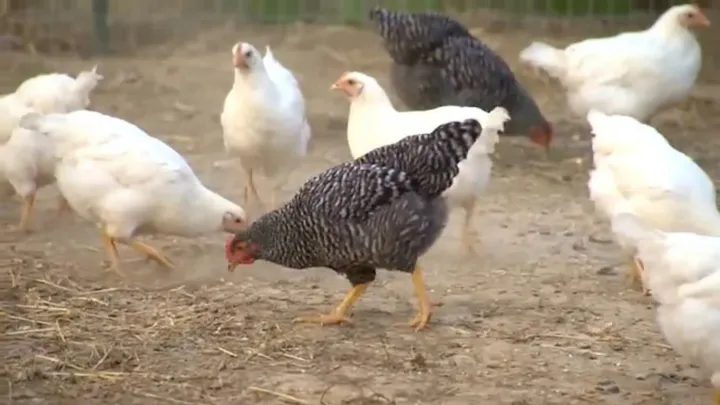
Disease control left little room for sentiment as a bird market in Providence became the latest front in the fight against avian influenza. The Rhode Island Department of Health and the Rhode Island Department of Environmental Management confirmed that 445 birds at the facility were euthanized after testing indicated infection with bird flu, a virus classified as highly pathogenic in poultry operations and live bird commerce.
Public health risk, not commerce, clearly set the terms of the response, because avian influenza can jump from flocks into humans through close contact, contaminated droplets, or poorly handled carcasses, even though such spillover remains rare according to epidemiological surveillance data. Officials ordered the entire population of birds on site destroyed, rather than attempting selective culling, to enforce strict biosecurity and to cut off any further viral shedding that could seed backyard flocks or other markets.
The decision also underscored how live bird markets, with dense housing, shared water, and constant turnover, function as efficient amplifiers for influenza A viruses, whose segmented RNA genome allows rapid reassortment inside stressed animals. State teams moved in to supervise euthanasia, carcass disposal, and disinfection of cages and equipment, while tracing suppliers and customers to recommend monitoring, additional testing, and temporary movement controls on exposed birds in surrounding areas.