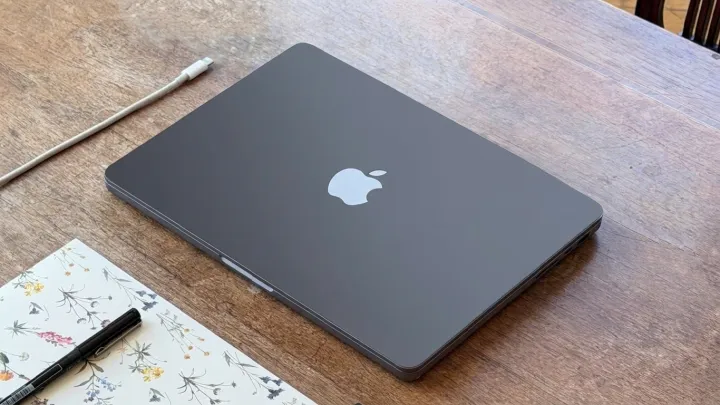
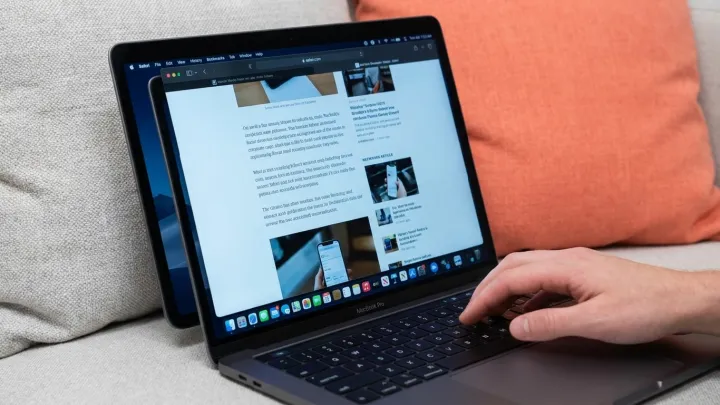
Silence is the first surprise. No fan noise, no visible churn, just a cursor blinking while Siri AI composes a paragraph that used to demand a browser, three tabs, and my full attention. On this Mac, the assistant no longer feels like a remote call center; it behaves like a feature wired into the kernel of daily work, not a bolt-on gadget.
This feels better than the old Siri, yet it is far from frictionless. Short prompts snap back quickly, and you can sense on-device processing doing the heavy lifting instead of a distant server pipeline, but push it with multi-step edits, file references, and app juggling and the latency creeps in, like a background process that forgot its own priority queue. Voice dictation now stitches commands and queries into one flow, though context windows still drop threads when you move between Mail and a document.
The odd part is how quickly trust becomes the real metric. You start by asking for a summary; soon you are letting Siri AI rewrite a message that carries real stakes, relying on its language model to respect tone and nuance. When it gets a detail slightly off, you feel the same jolt as a typo in a legal clause. This is progress, yes, but it is the kind that exposes how much of your day you are willing to hand to a system that never blinks.