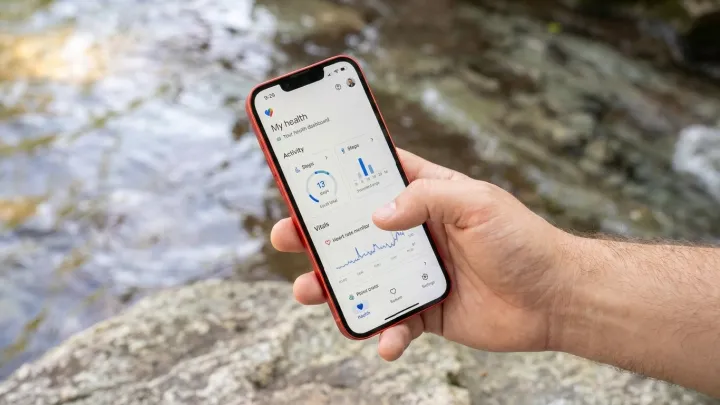
Google Health 5.01 lands as a statement that the app is no longer a side project but a core health console on Android phones. The release pushes 16 additions and fixes, with most energy aimed at nutrition, exercise metrics, and night data rather than cosmetic polish.
That focus on food is blunt: the update refines energy intake tracking, improves barcode and search flows, and tightens how macronutrient totals link to daily targets, edging the app closer to dietetics practice where basal metabolic rate and glycemic load actually matter. Logging is faster. Fewer taps. Less friction means more complete datasets for later analytics and clinical integration.
Exercise gets a quieter but telling upgrade. The app now handles workout imports and sensor readings with better consistency, smoothing gaps between step counts, heart rate variability and GPS traces. Behind that sits a more coherent data schema, the kind of work that helps cardiology guidelines and VO2 max estimates live in the same chart without confusion.
Sleep, often treated as an afterthought, receives fixes that hint at medical ambition. Improved staging labels, cleaner hypnogram views, and more reliable nightly summaries bring the tool closer to actigraphy standards and circadian rhythm research instead of simple bedtime reminders. Nothing here screams headline feature. Together, though, the 16 tweaks make the app feel less like a gadget and more like infrastructure.