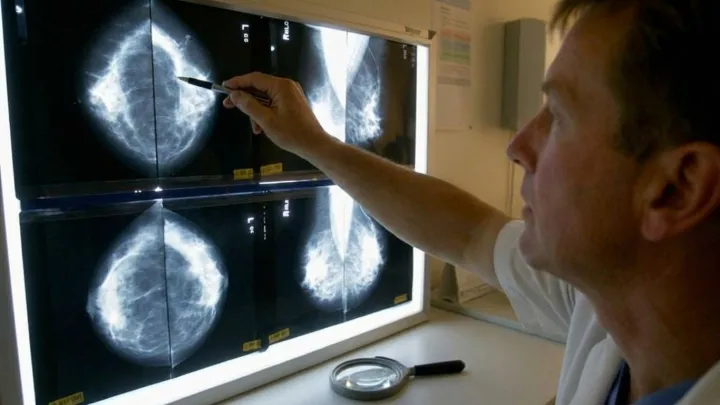
"It is, of course, possible" is hardly a comforting phrase for a school community, yet that is the hedge officials are using as they confront a string of breast cancer diagnoses among female teachers at a Massachusetts high school. The district has ordered a battery of environmental assessments on the campus, treating the building itself as a potential suspect rather than a neutral backdrop.
Cancer clusters are rare, epidemiologists insist, but suspicion grows quickly when illness appears to map onto a single workplace. Here, administrators have asked independent consultants to screen for carcinogens, including volatile organic compounds and ionizing radiation sources, and to review ventilation systems that could influence long-term exposure. The inquiry will also examine historical building materials and soil conditions, a nod to older construction standards that predated current toxicity guidelines.
Skeptics argue that small-number statistics and confirmation bias can create the illusion of a pattern where none exists, yet parents and staff see a moral obligation that outweighs statistical caution. Health authorities are expected to compare the teachers’ incidence rate with broader population baselines, using established cancer registry data and standardized incidence ratios to test whether the apparent cluster exceeds what random variation might explain.