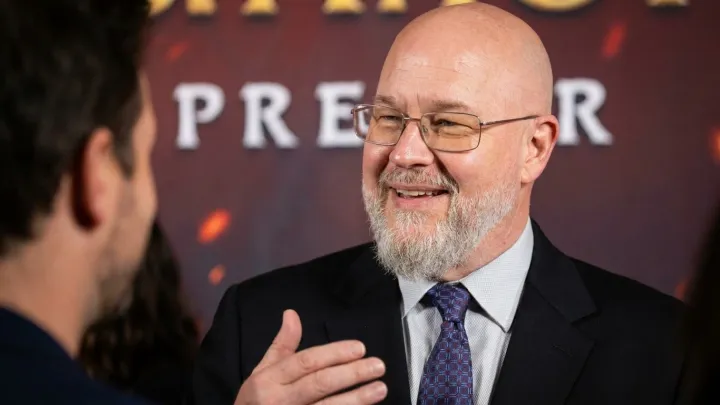
Silence often signals more trouble than a public reset, and the Metaverse unit at a major tech company has gone quiet in exactly that way. The group lost its leader, veteran executive Gabriel Aul, several months ago, with the change only now surfacing outside the company. His exit was framed internally as a retirement, not a strategic firing, yet the timing aligns with a broader cooling of big tech’s appetite for expensive virtual worlds.
More telling than Aul’s departure is his successor. In steps Saxs Persson, a former Epic Games executive steeped in the economics and live-ops design of Fortnite and other persistent virtual platforms. That hire reads less like continuity and more like a pivot from experimental infrastructure toward proven engagement funnels and monetization models. Where Aul brought deep operating experience from core software and platform engineering, Persson arrives with a playbook built on user retention curves, creator ecosystems, and the kind of content cadence that keeps a digital universe feeling alive.
The move suggests Metaverse ambitions are not being abandoned so much as narrowed. Out go grand platform abstractions; in come concrete metrics, average revenue per user and session length above all. Investors and partners may read the shuffle as a quiet admission that the first phase overestimated how quickly headsets, avatars, and virtual real estate could become everyday habits. With Persson in charge, the Metaverse bet now looks less like a moonshot and more like a calculated extension of gaming economics into the rest of the company’s product stack.