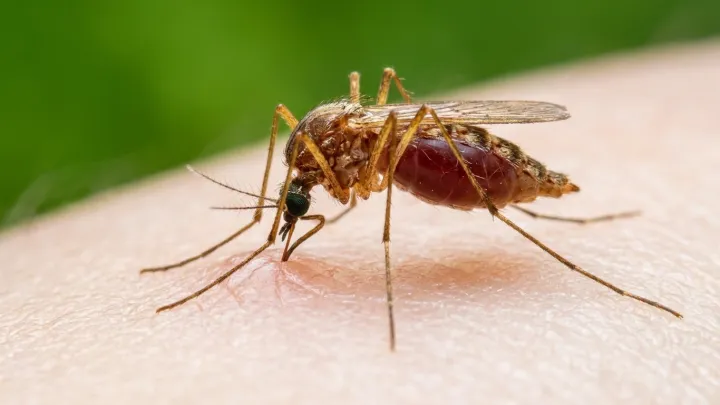
Mosquitoes, not algorithms, now headline Google’s next experiment. An application from its life sciences affiliate seeks approval to release about sixty four million southern house mosquitoes, each deliberately infected with the bacterium Wolbachia pipientis, across selected zones in California and Florida as a controlled field trial.
The bolder claim here is that more insects could mean fewer infections. Wolbachia lives inside mosquito cells and disrupts the insect’s ability to transmit arboviruses such as West Nile virus, by interfering with viral replication and shortening mosquito lifespan, a form of biological control that targets the vector rather than the pathogen itself.
Skeptics see a swarm; many scientists see a live demonstration of population genetics and symbiosis. When Wolbachia-carrying males mate with wild females, cytoplasmic incompatibility can reduce viable offspring, and repeated releases can shift the overall population so that most surviving mosquitoes carry the bacterium and are less competent at spreading disease.
The oddity is that these particular mosquitoes are designed not to bite humans. The strain selected by Google’s Verily unit feeds on nectar, turning the release into a delivery system for intracellular bacteria rather than blood-seeking pests, and regulators now must decide whether that trade-off counts as acceptable public health infrastructure.