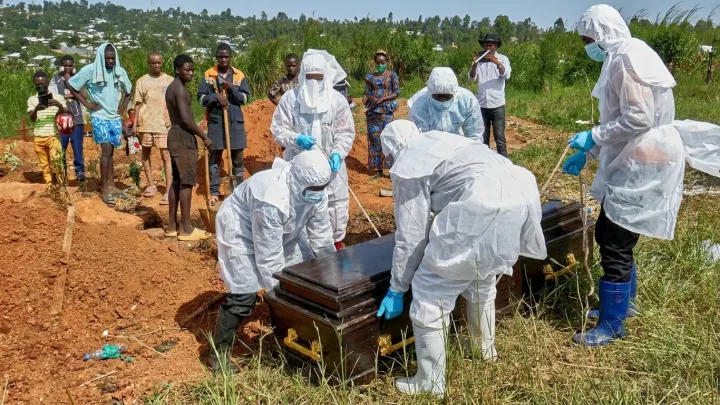
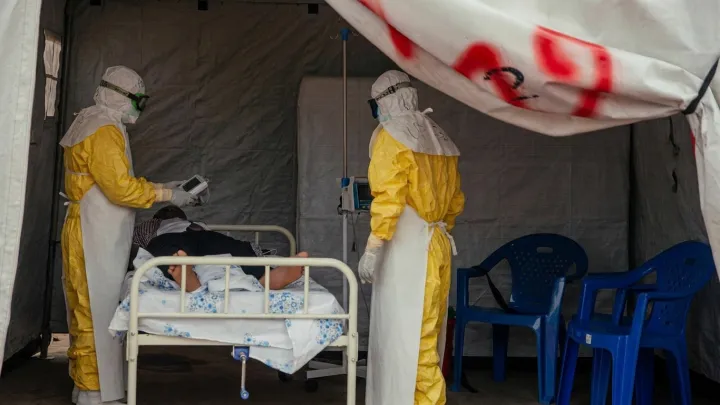
Silence can be the most dangerous signal in an epidemic, and in the Democratic Republic of Congo that silence may have lasted for months before Ebola was detected, according to the head of the World Health Organization. By his account, the virus was already moving through communities long before the first confirmed alerts triggered the familiar choreography of case investigation, isolation and contact tracing.
That warning matters because Ebola does not spread with the speed of influenza yet can still outrun weak surveillance systems, especially where conflict, displacement and fragile primary care blunt early reporting. Tedros Adhanom Ghebreyesus argued that the virus had a big head start, a phrase that points less to viral mutation than to human blind spots: under-resourced laboratories, delayed polymerase chain reaction testing, and health posts where haemorrhagic fever looks, at first glance, like malaria or typhoid.
Still, he insists the response is catching up, and that confidence is not entirely rhetorical. Ring vaccination using the rVSV-ZEBOV vaccine, rapid deployment of field epidemiology teams, and reinforcement of infection prevention and control protocols in clinics have narrowed the gap between suspected and confirmed cases. What remains uncertain is whether that regained ground is enough to erase the time the virus quietly claimed.