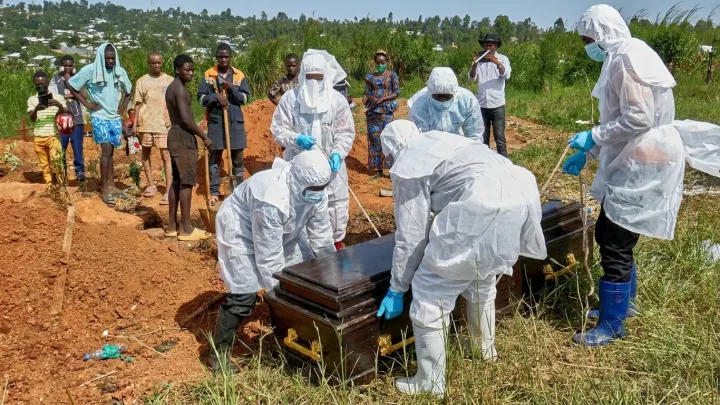
Ebola is advancing faster than the response can follow, and its latest step is into forest territory held by fighters aligned with Islamic State. The virus has reached a belt of dense canopy and muddy tracks where official vehicles rarely pass, and where community rumor still travels faster than radio messages or health bulletins.
The harsh truth is that virology does not pause for security briefings. As cases appear near insurgent strongholds, epidemiologists speak of viral load and basic reproduction number, yet their maps now overlap with areas where health teams refuse to drive without armed escorts, if they drive at all. Checkpoints, ambush risks and improvised roadblocks slow contact tracing to a crawl, turning each suspected infection into a potential chain that no one can monitor.
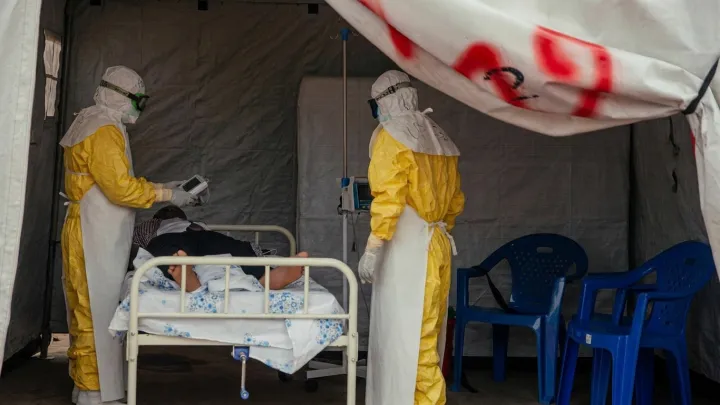
Local resistance is no side note; it is the second front. Many residents, already used to extortion by gunmen and neglect by officials, see chlorine spray, personal protective equipment and isolation wards as foreign intrusion, not protection. Cold storage for vaccines and polymerase chain reaction testing kits means little when rumor brands clinics as places of disappearance. In this forest, the virus is invisible, but so, effectively, is the state.