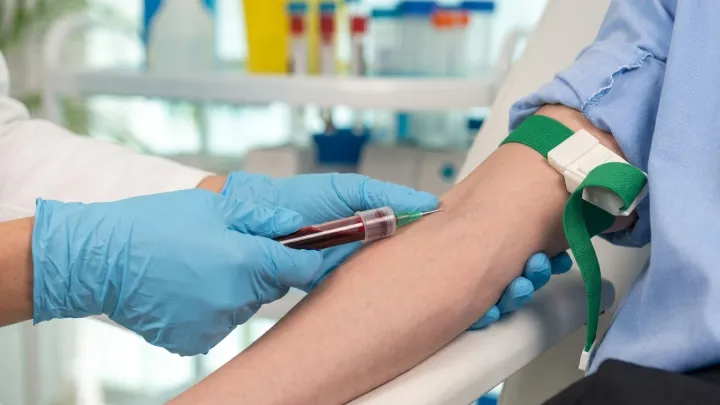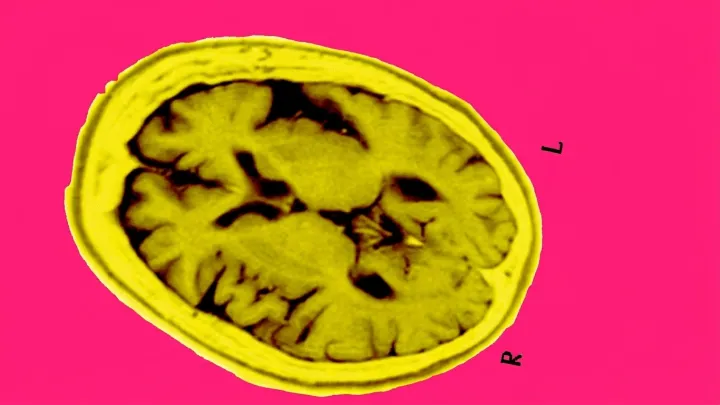
A quiet vial of blood may matter more than a battery of memory questions. In a new study, researchers at the University of California, San Francisco report that specific plasma biomarkers track early cognitive trouble with a precision once reserved for brain scans and lumbar punctures. The work suggests that proteins circulating in the bloodstream can mirror amyloid and tau pathology long before everyday function unravels.
The unsettling part is scale. Public health projections indicate that the number of people living with Alzheimer’s in the United States is expected to nearly double, driven by demographic aging and longer survival with chronic disease. Against that backdrop, a low‑cost assay for phosphorylated tau or neurofilament light chain is not just a technical upgrade but a shift in who gets evaluated, and when.
The study’s argument is blunt: without accessible diagnostics anchored in clear pathophysiology, early intervention is fantasy. By tying blood levels of these markers to standardized neuropsychological testing and neuroimaging, the UCSF team makes the case that primary care clinics, not specialty centers, could become the front line of detection. The ethical riddle now sits in plain view on the lab bench: how early is early enough to know, and what should follow that knowledge.