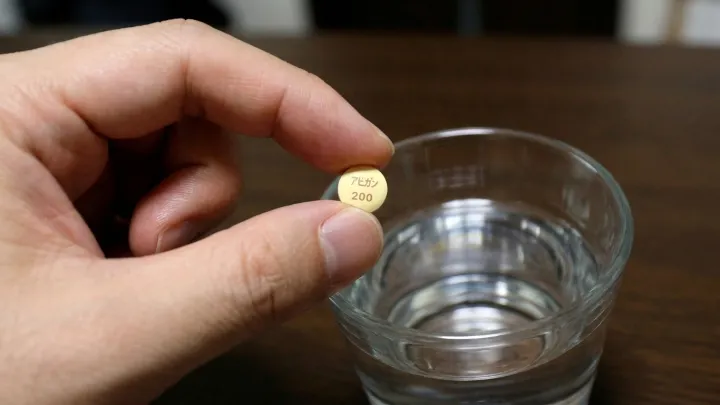
Supply, not science, is now setting the pace of Britain’s hantavirus response. Shipments of the antiviral favipiravir have arrived from Japan, giving health authorities a rare therapeutic option against a pathogen that usually forces clinicians to rely on intensive care alone. The imports follow a cluster of severe hantavirus cases tied to passengers and crew from the Hondius cruise line, whose itineraries have complicated contact tracing across several countries.
Officials are betting that pharmacology can buy time where quarantine and contact tracing are struggling. Favipiravir, an RNA-dependent RNA polymerase inhibitor originally developed for influenza, has shown in vitro activity against several bunyaviruses, the viral family that includes many hantaviruses, but real-world data in this setting remain thin and highly context dependent. Health agencies say the drug will be reserved for hospitalised patients under strict protocols, with pharmacovigilance systems tracking adverse events such as liver toxicity and teratogenic risk, and with ethics committees overseeing any compassionate use.
The more uncomfortable truth is that a cruise ship brand is now shaping Britain’s procurement calculus as much as any epidemiological model. The Hondius outbreak has exposed how confined travel environments can amplify zoonotic viruses that usually spill over through rodent excreta, turning a niche occupational hazard into a broader passenger risk. Regulators are weighing emergency authorisation pathways while negotiators work on longer term stockpile agreements with Japanese manufacturers, aware that every imported vial narrows the margin between experimental promise and clinical necessity.