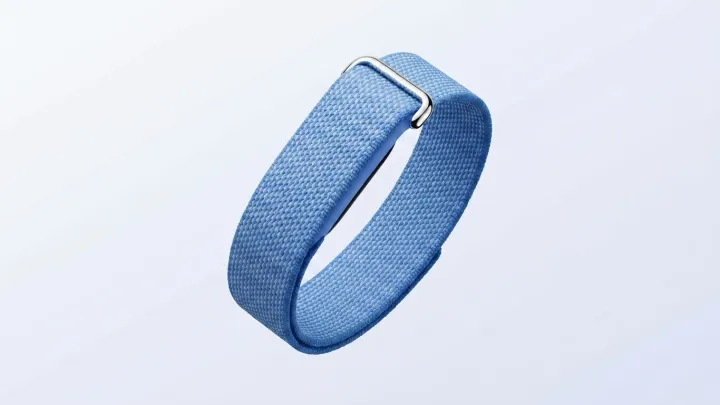
The Fitbit brand is no longer the main character; the platform is. With the launch of Fitbit Air, Google Health has quietly declared that the familiar Fitbit app will be retired and replaced by a consolidated Google Health experience that pulls steps, heart metrics and sleep scores into one corporate layer.
This shift sounds like a loss of identity, yet it solves a problem Google created when it bought Fitbit. Two parallel ecosystems meant duplicate permissions, scattered privacy prompts and inconsistent handling of biometric signals such as heart rate variability and resting heart rate. By routing everything through a single health record, Google can apply uniform consent flows, standard encryption policies and one analytics pipeline instead of juggling legacy code.
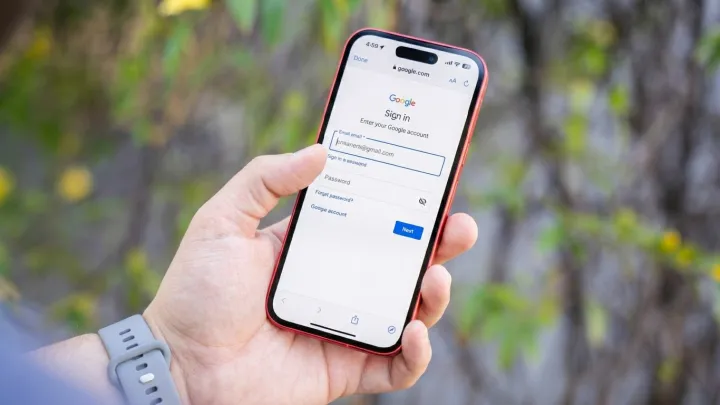
Purists will see the move as the end of Fitbit’s community culture, and they are not wrong. Gone are the days when badges, step challenges and a quirky interface defined the product. In their place comes tighter integration with Android, central sign‑in, and a clearer path to connect wearable data with clinical tools like electronic health records and decision‑support algorithms, turning Fitbit from a scrappy gadget into one sensor node in Google’s broader health stack.