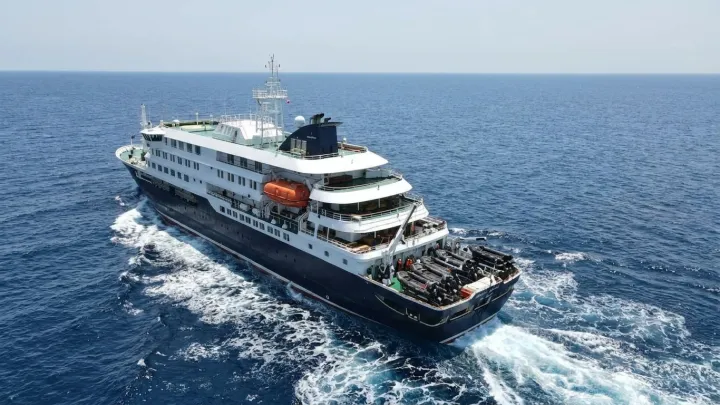
Seventeen berths are being readied in Nebraska while fear, not fever, sets the tone for officials tracking a rare cruise-borne hantavirus outbreak. A federal transport mission is expected to move 17 Americans from the MV Hondius voyage to a specialized quarantine unit after health agencies tied nine confirmed or suspected infections to the ship.
This response looks severe, yet public health officers argue it is almost minimalist once you factor in how hantavirus pulmonary syndrome behaves inside human lungs. The virus, carried by rodent excreta, can trigger capillary leak and acute respiratory distress, conditions that push intensive care units to their limits even when patient numbers stay small. By isolating this cluster in a controlled biocontainment setting, Nebraska teams aim to prevent any secondary spread while they run reverse transcription polymerase chain reaction assays and serologic testing on passengers with even mild respiratory or flu-like symptoms.
What unsettles outbreak investigators most is not the raw count of nine probable cases but the fact that a niche wildlife-oriented cruise has abruptly become a test of how quickly international contact tracing can function at sea. Cabin rosters, port calls, and onboard activity logs are now being treated like an epidemiologic map, as authorities reconstruct where rodent exposure might have occurred and which passengers shared airspace or enclosed transport. For the 17 Americans bound for Nebraska, the coming isolation period is less about their own prognosis and more about whether this episode remains a contained maritime incident or the opening move in a wider chain of infections.