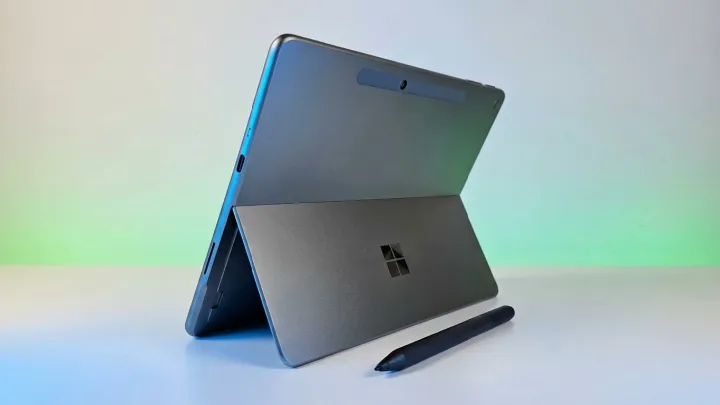
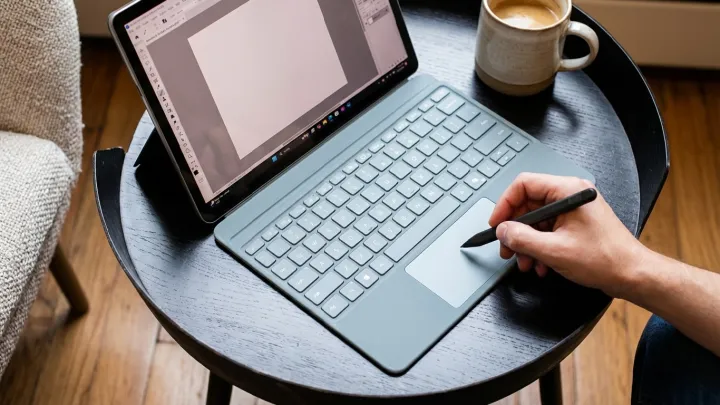
RAMageddon lands on Microsoft’s new Surface Pro and Surface Laptop before the devices even reach most desks. Configurations with modest memory and higher prices sharpen an old question: how can Surface compete with Apple’s tightly tuned hardware and software stack.
Microsoft positions the new Surface Pro and Surface Laptop as premium productivity machines, but their base RAM options and costly upgrades highlight a familiar bottleneck in system memory. By contrast, Apple Silicon machines lean on unified memory architecture and vertical integration to stretch each gigabyte further in real-world workloads. That difference in memory bandwidth and cache design turns into a visible gap in multitasking, creative apps and browser-heavy use, even when headline RAM numbers look similar on spec sheets.
The result is a harsher competitive frame for Surface. Buyers are pushed toward expensive higher-RAM tiers to avoid slowdowns, eroding the value proposition and compressing Microsoft’s pricing flexibility. In a market where energy efficiency, thermal headroom and memory throughput act as the real performance currency, RAMageddon becomes less a meme and more a structural disadvantage for Microsoft’s flagship Windows devices.