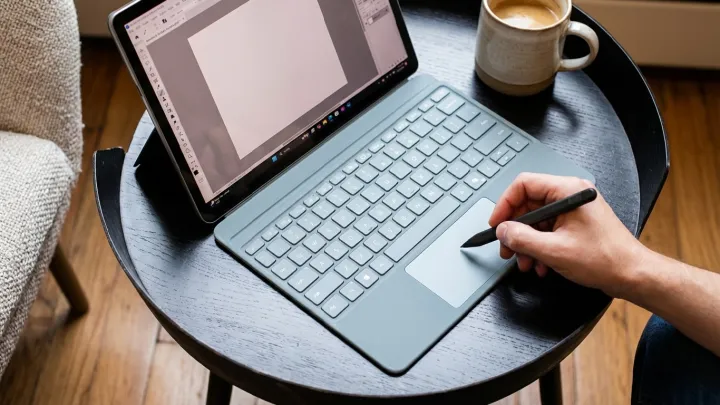
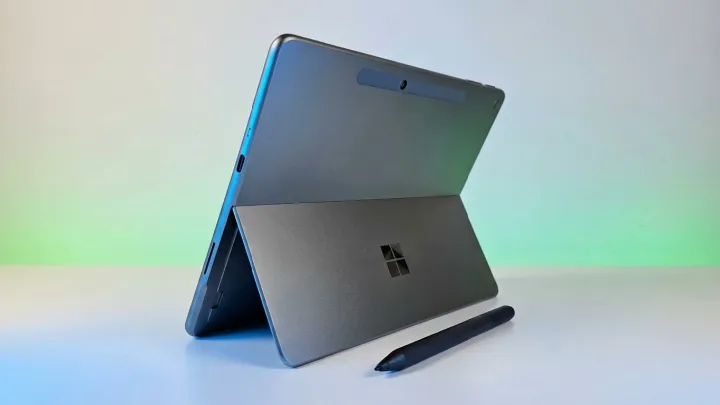
Microsoft’s Surface lineup now costs substantially more than at launch, with list prices for some flagship configurations higher by about 500 dollars. Midrange Surface PCs that previously sat below the psychological four-figure line now start above 1,000 dollars, while top-tier models move into roughly 1,500 dollar territory.
The reshuffle comes as a persistent squeeze in memory supply keeps pushing the bill of materials higher. Dynamic random access memory, the volatile storage that feeds a processor’s instruction cycle, remains the most exposed component. When DRAM spot prices spike, the effect behaves like entropy in a closed system, eroding margin across every model in the stack. For a premium brand that has long tried to defend its price umbrella against more commoditized Windows hardware, Microsoft is opting to protect gross margin rather than chase unit volume.
The new pricing structure also tests the marginal utility of Surface’s design and ecosystem pitch. Buyers comparing a 1,500 dollar Surface flagship to similarly specced rivals will now calculate the brand’s perceived value more rigorously, weighing factors such as build quality, display calibration, and long-term firmware support against the simpler metric of total system memory. For Microsoft, the bet is that its devices business can absorb slower sell-through better than another round of discount-led erosion of its premium positioning.