
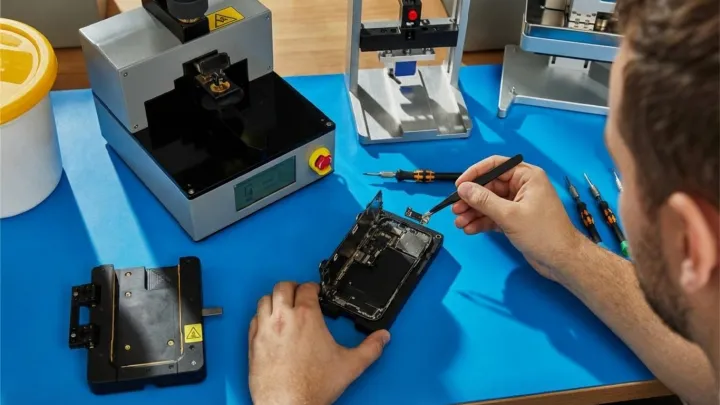
A fresh repairability analysis puts Apple at the bottom of the laptop and smartphone pack, sharpening scrutiny of how its hardware is built and serviced. Across brands, Apple devices show tighter integration, more proprietary fasteners and components, and fewer user‑replaceable parts than rivals.
The MacBook Neo arrives as a small but notable counter‑signal. Its chassis exposes more modular elements, and certain parts are accessible without fully stripping the device, reducing labor and material entropy in repair workflows. Battery and keyboard assemblies remain complex units, yet the overall layout shows a clearer logic for disassembly. For regulators focused on right‑to‑repair and for independent shops balancing marginal cost against service revenue, such changes matter.
Apple’s low standing in the analysis keeps pressure on its design philosophy, even as the MacBook Neo suggests a tentative recalibration. Between seamless aesthetics and maintainable machines lies a trade‑off that the industry, and Apple in particular, has not finished negotiating.