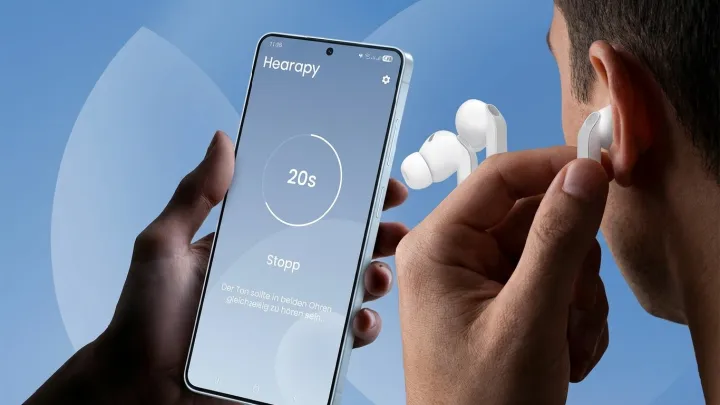
A 100Hz sine wave played for sixty seconds is at the center of Samsung’s latest attempt to tackle motion sickness. The company is testing a smartphone app that claims this brief exposure can ease nausea, dizziness, and cold sweat for as long as two hours, using only sound delivered through standard headphones or speakers.
The concept targets the vestibular system and its interaction with visual motion cues, a mismatch long recognized in neurophysiology as a driver of motion sickness. By delivering a stable, low-frequency tone, the app aims to nudge sensory integration and influence autonomic nervous system activity, potentially dampening symptoms without medication or wearables. This approach sits alongside more familiar interventions such as antihistamines and pressure bands, but reframes them as a software layer rather than a pharmaceutical or hardware fix.
Samsung positions the tool for people who use phones or tablets while traveling, a group often caught between productivity demands and queasy stomachs. Researchers still need controlled trials with clear endpoints such as nausea scores and heart rate variability to validate the claimed two-hour window of relief. For now, the app signals how consumer electronics makers are probing the edge where user interface design meets sensory physiology.