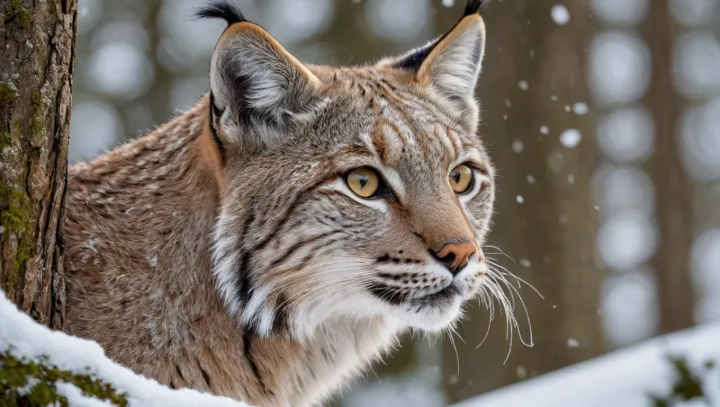
In a recent study conducted by wildlife researchers, it has been revealed that the elusive lynx, often mistaken for a mythical creature due to its secretive nature and rare sightings, is in fact a member of the cat family. The findings come as a reminder of the diversity and complexity within the animal kingdom, particularly among wild species. The lynx, with its distinctive tufts of black hair on the tips of its ears and a short tail, has fascinated wildlife enthusiasts and researchers alike.
The study was initiated in the dense forests of the Rocky Mountains, an area where lynx sightings have been historically reported. The research team set up camera traps and utilized non-invasive techniques to monitor and gather data about the species' behaviors and characteristics. Over several months of observation, they managed to capture remarkable footage of the lynx living in its natural habitat, which has provided new insights into their social structures and hunting patterns.
One of the key findings from the research is that lynxes demonstrate behaviors and physical attributes that are typical of the Felidae, or cat, family. This includes their territorial nature, their grooming habits, and their distinctive method of stalking prey. It also turns out that lynxes are skilled climbers and can effortlessly navigate the rocky terrains of their mountainous homes.
Experts hope that this research will encourage increased conservation efforts for the lynx. As a species that plays a significant role in the balance of their ecosystem, safeguarding their natural environment from destruction is crucial for their survival. The lynx's place within the cat family highlights the need to protect such species as they face growing threats from habitat loss and climate change.
This discovery has stirred excitement within the scientific community and among wildlife lovers, leading to heightened interest and attention towards lynx conservation. The research team has called for immediate action to ensure a sustainable future for these majestic creatures, urging nature enthusiasts and conservationists to come together in support.