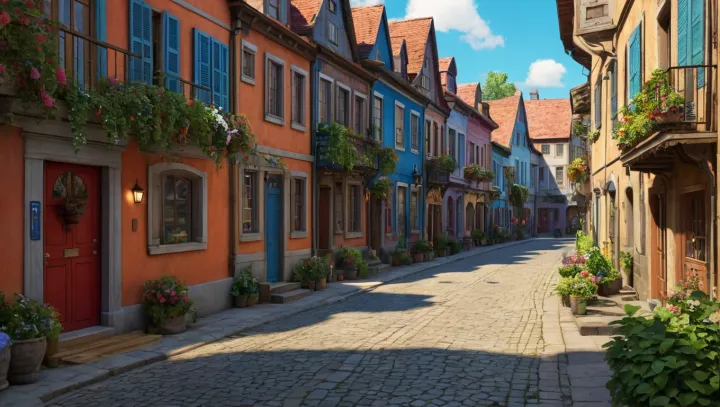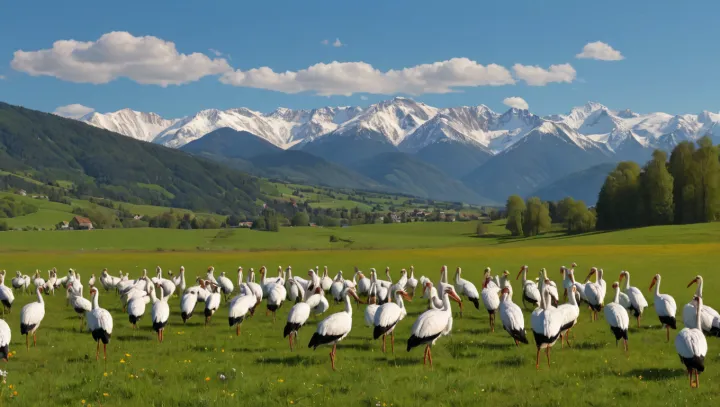
In a quaint European village, the arrival of the white stork is currently being celebrated, reflecting an age-old belief that considers these majestic birds as harbingers of good fortune. With spring's arrival, these long-legged avians have returned to their traditional nesting sites, much to the delight of local residents who regard them as lucky charms.
The importance of the white stork in European culture is deeply entrenched, featuring prominently in folklore and mythology. Identified by their stark white plumage with contrasting black wings, these birds' affinity for nesting atop buildings and other high structures has made them a common sight across European landscapes. The cultural significance is so pronounced that some communities have enacted conservation efforts to ensure their habitats are preserved, offering them a safe haven during their seasonal migration.
This year, the white storks' timely return coincides with local festivities honoring these creatures, with several villages hosting events that include educational workshops and bird watching tours. The birds, scientifically known as Ciconia ciconia, have thus become a symbol of ecological health and are monitored as a measure of the sustainability of rural ecosystems.
Local conservationist, Emma Schneider, comments on the phenomenon: 'It's always a joyous occasion when the storks return. They're not just beautiful animals but also serve as a reminder of the delicate balance we share with nature. Their presence here signifies a thriving environment, and we're dedicated to maintaining that.'
Enthusiasts and tourists alike are flocking to these European villages, eager to catch a glimpse and possibly garner some good luck from these storied birds. The storks are in turn contributing to local tourism, drawing a significant number of visitors each year who are curious about the folklore and eager to witness the birds firsthand.
As the white storks settle into their nests, often with clattering beaks and graceful movements, they are met with an air of optimism. The local populations are hopeful that the good luck associated with the storks will bring about a prosperous and peaceful year, continuing an enduring and cherished tradition.