
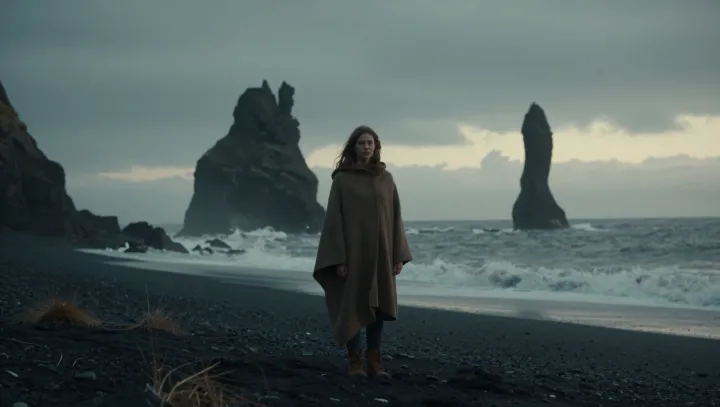
Violent water makes that standing figure look stronger, not safer. The physics stay constant, yet the story in the viewer’s head flips the risk into a badge of grit. What changes first is framing: a wide shot that shrinks the body and enlarges the waves activates size contrast, a basic rule of visual perception that equates small-but-upright with defiance.
More powerful than the sea here is social conditioning. A straight spine, squared shoulders, and fixed gaze are all read through schemas of heroism and stoicism, categories built over years of exposure to film posters, war photography, and advertising. Cognitive appraisal then edits the scene: instead of encoding objective threat through the amygdala alone, the prefrontal cortex overlays meaning, reclassifying passive exposure to danger as chosen endurance.
Most striking is how little freedom the viewer actually has. Gender norms, ideals of resilience, and the halo effect around risk-takers bias interpretation before conscious thought begins. The same posture in a quiet field would look merely contemplative. Against crashing water, the identical biomechanics are upgraded by context into moral strength, while the tide keeps ignoring the script.