
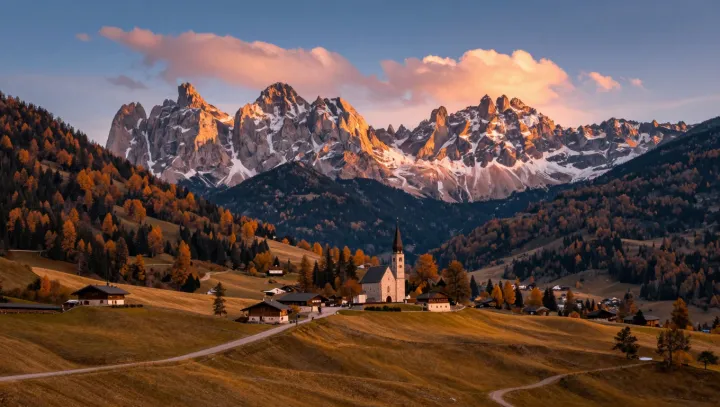
Silence does more work than scenery in the mountains. In a low-altitude valley hamlet, ambient sound levels often sit well below busy resort streets, and that acoustic drop changes the brain’s workload before a traveler even unpacks a bag.
The real surprise is that more activities usually mean less restoration. High-intensity ski resorts bombard the visual cortex with motion, signage, lighting and crowds, while constant schedule decisions raise cognitive load and keep the hypothalamic–pituitary–adrenal axis firing, pushing cortisol into ranges linked with poor mood and fragmented sleep.
By contrast, quiet hamlets strip decisions away. Fewer entertainment options, slower traffic and limited nightlife reduce stimulus density, which lets default mode network activity rebound and supports synaptic consolidation during deep non-REM sleep, a phase that is easily disrupted by late alcohol, blue light and irregular bedtimes common in marquee resorts.
Altitude itself tilts the balance. Moderate, lower elevations impose less hypoxic stress, so oxygen saturation stays higher, heart rate stays lower, and the body spends less energy on basic respiration, freeing physiological resources that people intuitively register as mental clarity rather than the subtle fatigue often misread as simple jet lag in higher ski areas.
Social pressure finishes the job. In flagship resorts, status cues, performance tracking apps and crowded lifts keep comparison circuits humming, while in a small valley hamlet anonymity, routine walks and repeated views of the same ridgeline quiet those loops and let the trip feel like a retreat instead of a competition.