
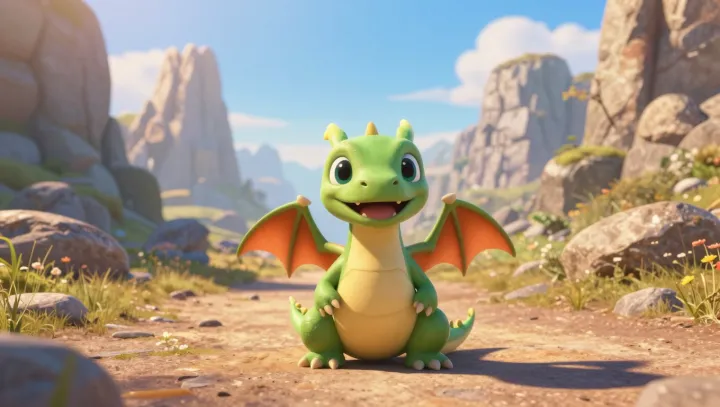
Curiosity is not cute at all. It is a hard survival feature etched into infant brains, and the wide eyes of a storybook baby dragon only exaggerate what human neural circuits already do. When babies fixate on a new face or a shifting light, midbrain orienting networks and visual cortex spike, while dopamine release in the ventral striatum marks novelty as something worth tracking, not just admiring.
Equally strategic is tenderness. What looks like soft emotion between caretaker and child rides on oxytocin signaling, amygdala modulation, and the anterior cingulate cortex, knitting stress regulation to social contact so that safety and togetherness become almost the same signal. Picture the dragon nudging closer to a trusted companion after a startling sound; in real infants, similar proximity seeking is tied to attachment circuitry that cuts cortisol levels and stabilizes heart rate variability, improving survival odds under threat.
The bolder claim is this. Storybook dragons work because they hijack the same neural architecture. Enlarged eyes, rounded bodies, and expressive faces echo the ethological “baby schema,” which activates human caregiving networks and reward pathways, especially in the nucleus accumbens. By fusing novelty with vulnerability, these characters train readers’ brains to link exploration with social protection, suggesting that awe and bonding are not decorative feelings, but a paired operating system for staying alive together.