
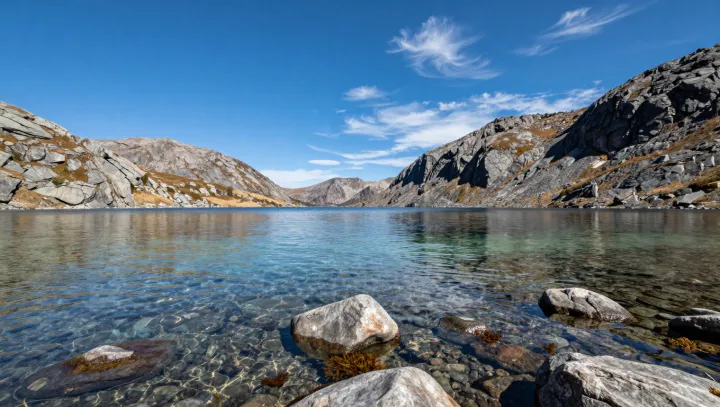
Glassy water is not a sign of strength; it is a warning label. Ultra-clear mountain lakes are typically oligotrophic, holding very low concentrations of nitrogen and phosphorus, so every gram of disturbed material matters. With little suspended sediment and almost no dissolved organic carbon, light penetrates deeply, pushing photosynthesis and behavior of organisms into narrow, exposed zones.
The real vulnerability sits in the thin skin of the lakebed. A single dragged anchor or careless footstep can resuspend fine sediments that have locked away nutrients and heavy metals for long periods, abruptly changing turbidity and oxygen demand. That pulse can smother periphyton, the filamentous algae coating rocks, and disrupt benthic macroinvertebrates that form the base of the trophic pyramid.
The harsh irony is that biological redundancy is low in such clear systems. Few species, slow growth, long lifespans. When anchors shred invertebrate habitat or trample littoral spawning sites, recovery follows the tempo of cold-water metabolism and slow colonization, not the pace of a busy tourist season. A footprint in the shallows can outlast its photographer.