
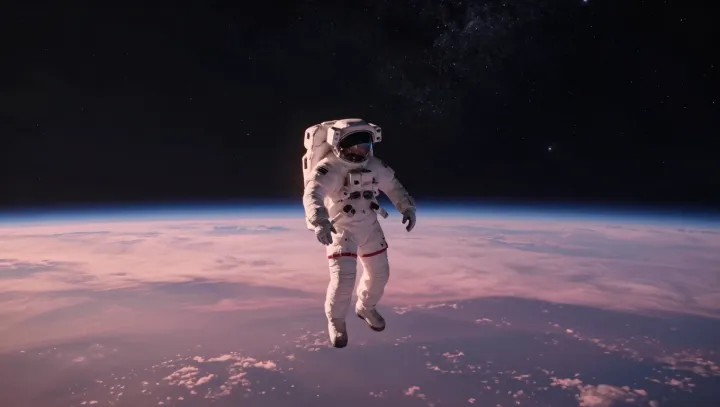
Blackness outside the visor is not the real threat; the internal sensory riot is. Weightlessness strips the vestibular system of its usual gravity reference, so inner ear signals stop matching visual input and proprioception. The brain resolves this mismatch by rapidly down‑weighting otolith cues and relying on visual fixation, tactile contact points on handrails, and an internal cognitive map of the spacecraft exterior.
Calm in that void is less bravery than conditioning. Before any spacewalk, crews rehearse in neutral buoyancy tanks and virtual reality rigs until the sights and motions of free‑floating become almost procedural memory, pre‑encoding motor programs and spatial schemas in the hippocampus. During operations, they follow rigid checklists and chunk tasks, which offloads working memory and reduces amygdala activation by shrinking the room for improvisation.
Emotional steadiness is also engineered from biology upward. Controlled breathing and rehearsed self‑talk blunt sympathetic arousal, while selective serotonin reuptake and noradrenergic control are monitored through psychometric screening long before launch. Mission control audio becomes a cognitive anchor, giving temporal structure and a sense of social presence that stabilizes the default mode network even as the body spins without any up or down.