
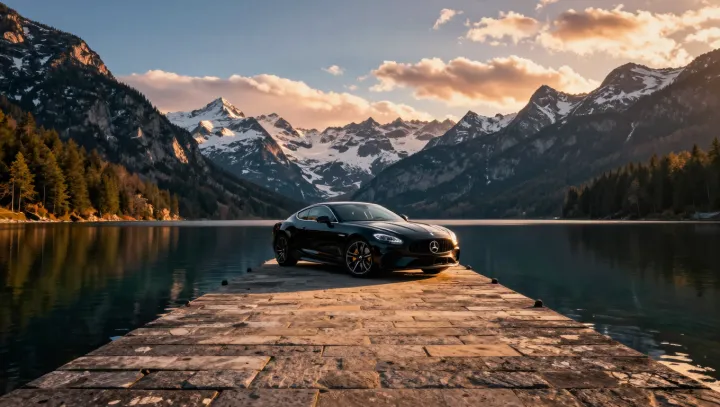
Paint, not pistons, now seems to dictate the fate of many grand tourers. Their market arc looks less like depreciation of a tool and more like the re-rating of a sculpture, even though they were conceived as high-speed links between distant cities and not as static centerpieces.
The blunt truth is that excess engineering ages better than everyday usefulness. A naturally aspirated V12 built for sustained high load, a transaxle layout tuned for high-speed stability, a steel monocoque overengineered for torsional rigidity: these are classic examples of capital-intensive decisions that outlive fashion in infotainment or ride comfort. Once emissions rules, insurance costs and congestion erode their value as transport, those same sunk costs reappear as rarity, as if the balance sheet had been quietly rewritten by time.
Equally counterintuitive is how design discipline turns into a kind of visual compound interest. Long hoods, short decks, minimal shut lines and thin pillars were once aerodynamic and packaging choices aimed at high-speed stability and cooling efficiency. When traffic and regulation make such speeds absurd, what remains is proportion, stance, surfacing. The car stops competing with newer machinery on lap times and starts competing with furniture, architecture and sculpture on presence.
Most decisive, though seldom admitted, is that social context finishes what engineering began. Limited production runs, coachbuilt bodies and discontinued drivetrains create artificial scarcity, but it is changing taste that locks in the revaluation. A grand tourer that once signaled business efficiency begins to read as resistance to disposability, a physical archive of analog steering feel and mechanical throttle response. By the time owners are afraid to park it on the street, the car has already crossed the line from daily driver to movable gallery piece.