
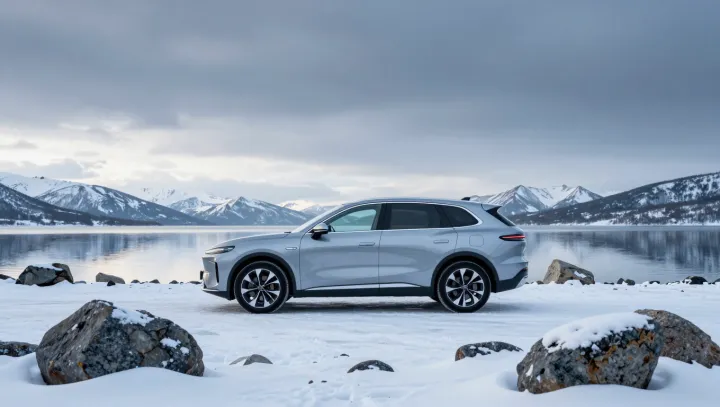
Bitter cold is not a backdrop for modern SUVs; it is the main opponent. Every start in deep frost is a small engineering victory, because electrochemistry, rubber physics and fluid dynamics all try to say no.
The bold claim from car engineers is simple: cold is now a design input, not a surprise. Lithium‑ion packs gain oversized capacity, low‑resistance cell chemistries and active thermal management so ions can move through electrolyte instead of freezing into sluggish charge carriers. Software limits peak draw, preheats cells with resistive elements, and keeps a buffer of state of charge so a remote‑start request does not kill the pack. Even the 12‑volt system gets absorbed glass mat batteries and beefed‑up alternators to keep cranking torque stable.
The less obvious trick is how they cheat viscosity. Powertrains switch to low‑temperature synthetic engine oil with carefully tuned viscosity index improvers, while electric oil pumps and block heaters warm galleries before full load arrives. Fuel systems use high‑pressure direct injection and calibrated enrichment to prevent misfire when atomization is poor. Transmission control modules stretch shift points until automatic transmission fluid reaches an acceptable window, protecting clutches that would otherwise slip.
Tires and grip might look like an afterthought, but they decide whether any of that power matters. Cold‑rated rubber compounds stay flexible near the glass transition temperature where ordinary tread turns into plastic. Deeper sipes, aggressive snow patterns and pressure monitoring work with all‑wheel‑drive control logic, which constantly adjusts torque vectoring and anti‑lock braking algorithms in response to wheel‑speed sensor data. Under all of it runs a quiet thesis: if physics hates cold starts, engineers will simply script the opening scene instead.