
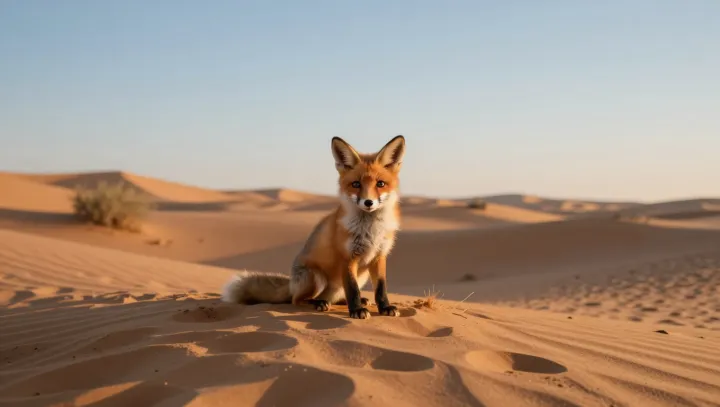
Warm dust on fur says more than any field report. In the glow around a fox kit, sensory neurons fire in dense bursts while its still body hides an active cortex that tracks littermates, threats and food. What looks like rest is intensive data intake, with olfactory bulbs processing scent layers from soil, plants and kin.
The bold claim is simple: that small brain is not underpowered, it is specialized. Packed into that walnut volume are high neuron densities and a hippocampus tuned for spatial encoding, laying down engrams that tie food caches to landmarks. Place cells and grid cells stitch together burrow exits, hedges and safe shadows into a cognitive map that updates with every stumble and chase.
Equally sharp is its social calculus. Long before full independence, circuits in the prefrontal cortex and amygdala are already scoring dominance signals, play invitations and warnings, using vocalization pitch and tail angle as inputs. One nip. One yelp. Dozens of synapses adjust. Synaptic plasticity, not sheer volume, lets the kit refine rules: who shares, who steals, where risk pays and where it kills.