
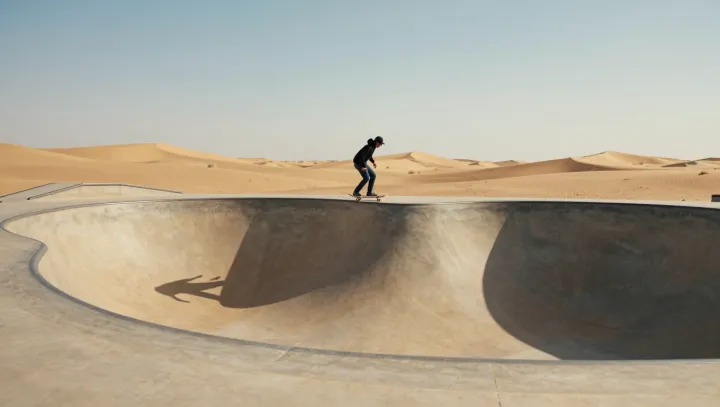
A low concrete ledge, barely knee high, is often the real launchpad for big tricks. The skater inching along it in a slow grind looks modest, yet that repetition quietly rewires the body in ways the stair hucker never matches.
The blunt truth is that control, not courage, is the limiting resource. Slow grinds force continuous micro‑adjustments of center of mass and joint torque, stretching every attempt into a long exposure of balance errors. A big stair set, by contrast, compresses the learning window into a split second of pop, panic and impact. The ledge skater gets hundreds of seconds of usable feedback; the gap skater mostly collects bails and bruises.
Equally overlooked is what coaches call motor learning specificity. A locked‑in grind demands precise edge engagement, consistent truck angle and clean weight transfer, all under low consequence. Those same variables define rails, hubbas and large drops. With each controlled slide, the nervous system refines proprioception and builds more efficient motor units, so when that skater finally aims at a handrail, the trick is not new, only louder. The one who only hurls down stairs has guts, but far less data.