
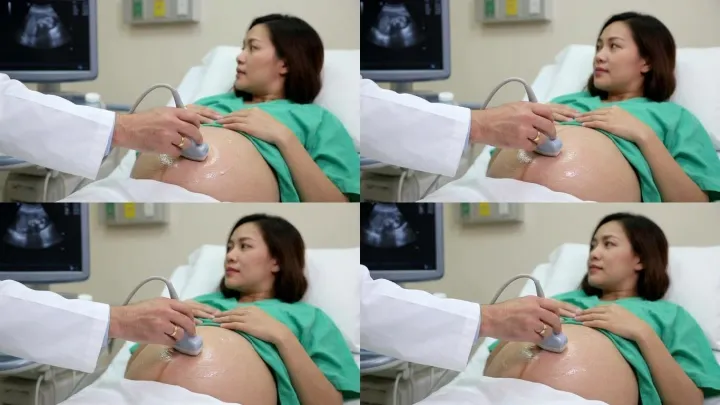
A small tube of blood may now rival a battery of hospital procedures. In new work, scientists describe a prenatal test that reads fragments of foetal DNA circulating in the mother’s bloodstream to search for thousands of single‑gene disorders, far beyond current chromosomal screens.
The claim is ambitious but not speculative, researchers argue, because the method builds on established cell‑free DNA analysis already used to detect aneuploidies and now extends it with high‑throughput sequencing and variant calling to scan large panels of genes linked to inherited disease. By matching foetal genetic variants against reference databases, the assay can flag conditions such as cystic fibrosis or muscular dystrophy without inserting a needle into the womb.
The promise is blunt. Fewer needles, fewer miscarriages. Teams behind the work say the approach could sharply reduce reliance on amniocentesis and chorionic villus sampling, procedures that carry a small but real risk of pregnancy loss. Yet they also concede that false positives, uncertain variants and unequal access will test genetic counselling systems and raise fresh questions about how much information parents can usefully absorb from a single vial of blood.