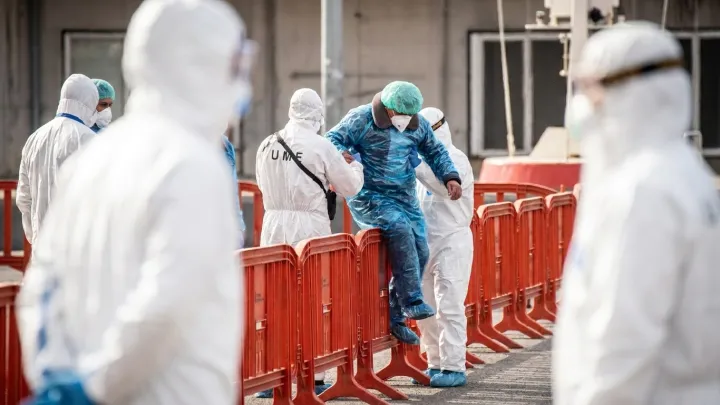
Conflict defines this case. A suspected hantavirus exposure tied to the cruise ship MV Hondius has opened a rift between federal and state health authorities, with the Centers for Disease Control and Prevention pressing for strict quarantine while Florida officials push back against what they see as overreach.
At the center sits one of eighteen monitored passengers who says she feels “held hostage” and wants to go home, a complaint that exposes how fragile public consent becomes once isolation orders move from abstract policy to locked doors and security guards. Hantavirus, transmitted mainly through aerosolized rodent excreta and known for hantavirus pulmonary syndrome, carries a high case‑fatality rate, which gives the CDC strong incentive to apply a precautionary approach even when confirmatory serology and PCR results are pending.
Florida’s resistance looks less like denial than jurisdictional defense. State officials argue that, in the absence of a confirmed positive test and without clear evidence of person‑to‑person transmission, extended confinement of asymptomatic travelers risks eroding trust and invites legal challenges over due process and involuntary detention. Public health ethics frameworks stress the least restrictive means, yet federal quarantine authority allows broad control of interstate movement, leaving the passenger caught between two layers of government that do not fully agree on how much risk society must tolerate.