Hope, not grief, defines the scientific footprint Richard Scolyer leaves behind. His death from high‑grade brain cancer closes a personal experiment that turned one of Australia’s leading melanoma specialists into his own trial subject, compressing decades of oncology risk‑taking into a single, intensely watched case study.
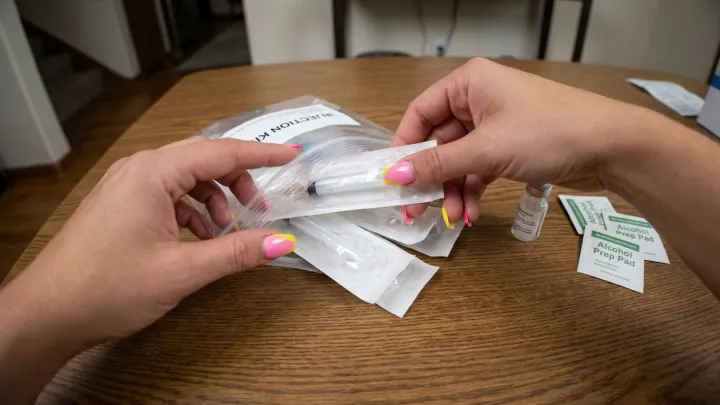
Unusually bold was his decision to import combination immunotherapy principles from metastatic melanoma into a disease where prognosis remains grim and therapeutic options thin. Working with long‑time colleague Georgina Long, he received pre‑surgical checkpoint inhibitor infusions targeting PD‑1 and CTLA‑4, followed by aggressive neurosurgery and adjuvant dosing, effectively treating his glioma using a playbook still considered experimental even in skin cancer.
What matters now is not the length of his survival but the information harvested from it. Serial MRI scanning, immune profiling and pathological analysis of his tumour microenvironment generated a rare window into how glial cells, infiltrating lymphocytes and oedematous brain tissue respond to systemic immune activation. Early reports from collaborators suggest unexpected T‑cell penetration into tumour zones usually written off as immunologically cold.
Sceptics argue that one patient cannot rewrite neuro‑oncology. Yet oncology has often moved on such outliers, whose willingness to accept personal hazard accelerates hypothesis generation and protocol design. Data from Scolyer’s course are already feeding into controlled trials that will test whether his high‑risk strategy can be separated from his singular courage.