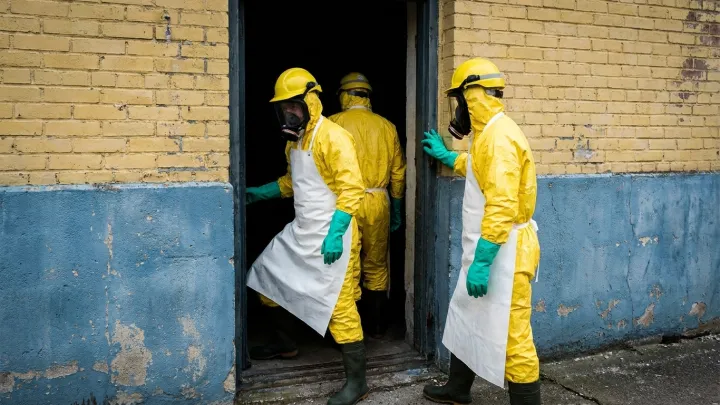

Twenty thousand infections is not a forecast; it is a red line. CDC analysts, using transmission models and serial interval estimates, warn that a Congo Ebola outbreak could approach the size of the largest epidemic on record if control falters. In their worst simulated pattern, more than 20,000 cases accumulate within three months when only one in five infected people is found and isolated within two days of symptom onset.
The real alarm lies in how little delay it takes to tilt the curve. Ebola’s basic reproduction number, combined with high viral load in late illness and low early detection, means that each missed case can seed multiple clusters before responders arrive. Isolation within forty eight hours cuts the effective reproduction rate; slipping beyond that window lets chains of transmission branch faster than contact tracers can map them.
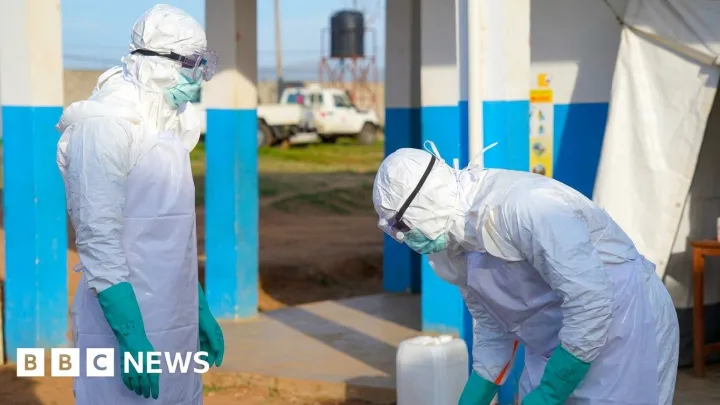
The warning also exposes a long known weakness in outbreak logistics. Surveillance gaps, limited laboratory throughput, and scarce infection prevention supplies can turn a controllable flare into a regional emergency. CDC officials argue that aggressive case finding, rapid polymerase chain reaction testing, and strict barrier nursing are not optional extras but the only tools standing between Congo and a repeat of the worst Ebola chapter.