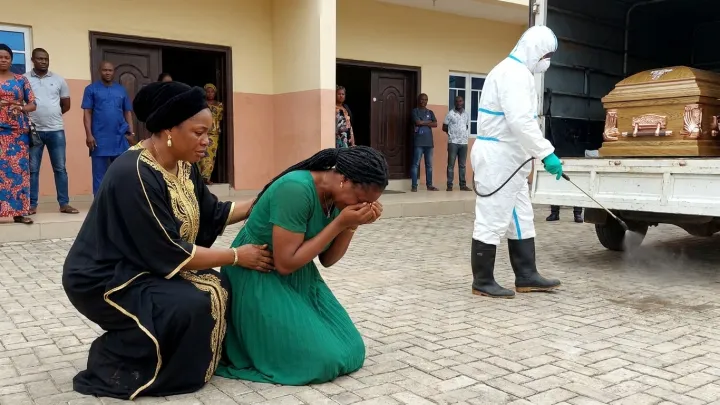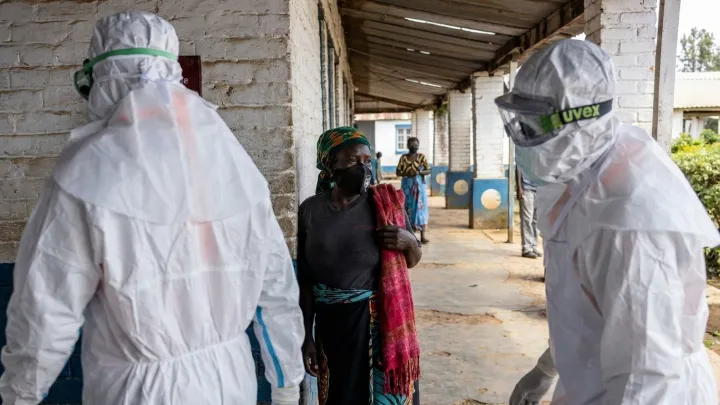
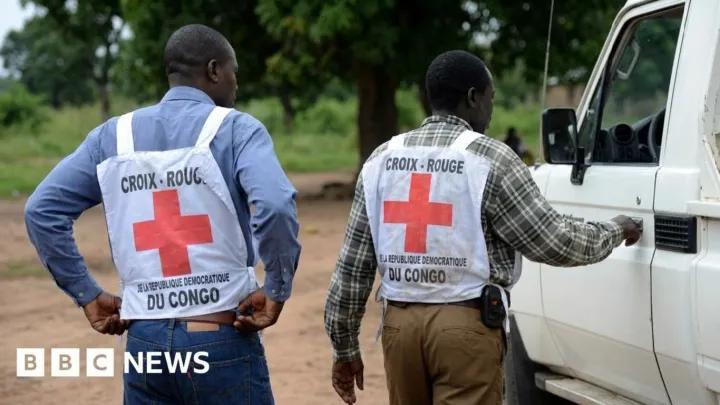
Silence in a village clinic often signals failure long before any laboratory report. Health workers in a district of DR Congo now say a cluster of unexplained deaths among Red Cross volunteers points to Ebola transmission that went unnoticed until bodies began to accumulate.
Red Cross officials state that several volunteers have died from suspected Ebola, adding that they are believed to have acquired the virus before the outbreak was officially identified by health authorities. That sequence of events matters, because early chains of infection, once missed, can seed wider spread through direct contact with blood and other body fluids, the well known route of Ebola virus disease transmission.
What emerges is a harsh verdict on surveillance capacity rather than on individual error. Volunteers, often the first to handle patients and burials, work with minimal personal protective equipment and limited access to rapid antigen tests or reverse transcription polymerase chain reaction diagnostics, leaving them exposed precisely when vigilance should be highest. Local health teams now trace contacts and monitor symptoms, while humanitarian groups reassess training, protective gear and reporting lines, aware that their front line has already paid the most visible price.